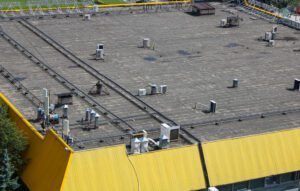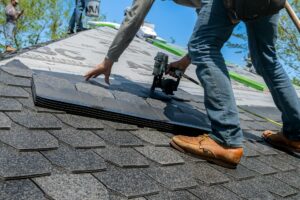


Industrial roofing services are a big part of keeping large buildings safe and working as they should, especially when it gets cold. As winter gets closer in Naperville, IL, now is the time where a missing checkup can come back to bite you. It doesn’t look like much on the surface, but small cracks, clogged drains, or aging seams can lead to bigger, messier surprises once snow and ice hit.
Late fall is a smart time to walk the roof and fix little problems before freezing temperatures lock everything into place. If that gets skipped, the roof can fail faster than you’d like. Let’s talk about how winter makes minor damage worse and why steady maintenance can save a lot of stress during the cold months.
What Winter Does to Industrial Roofs
Midwest winters are tough, and industrial roofs take the brunt of it. The weight of snow, repeated freezing and thawing, and ice buildup can all push a roof to its limit. It’s not just heavy snow to think about, it’s where that snow ends up as it sits and melts.
Common pressure points include:
- Seams where sections of roofing meet
- Flashing at walls, corners, or around units like HVAC systems
- Drains and gutters that back up when blocked
Snow starts to melt during the day, then freezes again at night. This back and forth puts strain on every connection point. Water finds the smallest opening and works its way in, especially around flashing or at overlaps. When ice forms in the wrong place, it pushes on those materials until something gives. If drains are clogged, that meltwater has nowhere to go. Standing water plus freeze-thaw means faster wear.
Modern Roof Systems provides expert installation and repair for TPO, modified bitumen, EPDM, metal, and PVC commercial roofing systems. Their crews are trained to handle complex industrial roofs with large surface areas and rooftop equipment common in Naperville-area facilities.
Small Problems Don’t Stay Small in Cold Weather
Something that looks minor in November can turn into a major repair by February. That’s just how winter works. What would’ve been a five-minute patch back in fall becomes a roof leak when frozen water expands inside cracks or under seams.
Here’s what happens when small issues get ignored:
- Moisture trapped under the surface pushes at the layers and makes them bubble or pull away
- Cracks in flashing widen when frozen water expands inside
- Slow leaks become soaked insulation, leading to roof sag or damage inside the building
Small gaps are easy to miss without a close look, but they’re exactly where the damage picks up speed during cold months. Roofs without winter prep can age faster, and that shortens the time before a full replacement might be needed.
How Regular Checkups Help Extend Roof Life
A winter roof check doesn’t have to be complicated. What matters most is catching the early signs before snow and ice cover them. Trained crews know how to spot the weak areas that typically show up on industrial buildings.
A simple checkup in late fall should include:
- Walking the roof carefully, looking for holes, cracks, or seams starting to lift
- Clearing drains and checking that water has a clear path
- Inspecting flashing and sealants for signs of wear
- Looking over past repairs to confirm there’s no new movement
These steps help stop small issues from getting worse. If flashing is peeling or a drain is blocked, fixing it now avoids a leak down the line. For industrial roofing services, these checkups are more than maintenance, they help build a roof’s life span one season at a time.
Proper documentation of maintenance visits is essential, as it can support warranty coverage and compliance with manufacturer guidelines. Modern Roof Systems works with property owners and managers to keep maintenance logs and proactive service records.
Roofing Systems That Need Extra Attention
Some roofs need a little more care during winter than others, especially if they’ve seen years of storage tanks, HVAC traffic, or past repairs. A few types stand out as extra vulnerable in cold weather.
Keep an eye out if your building has:
- Older EPDM systems starting to shrink or wear
- Metal seams prone to expansion and contraction
- Skylights or vents that collect snow right around their edges
- Patchwork repairs where layers meet or overlap
Roofs that have been patched over many times may not all move the same way when temperatures drop. Add in ponding water or drifting snow around rooftop units, and you’ve got areas where leaks often begin. These zones matter most during a check, since they tend to fail first.
Buildings with wide flat surfaces, tricky drainage routes, or rooftop equipment need detailed looks before those details freeze up. Cold has a way of finding weak spots, and those often show up where traffic and weather both hit a roof hardest.
Cold Weather Doesn’t Wait, Be Ready
Winter doesn’t care if you’re ready for it or not. By the time trouble shows up, it’s often too late to avoid emergency work. That’s why staying ahead is so important with industrial roofing services. A skipped checkup now can turn into surprise damage just when the building matters most.
Regular inspections and early fixes don’t just keep repairs manageable, they help extend the life of the roof as a whole. Midwest winters are long and often harsh. Keeping your building protected means looking for trouble before it starts, not after. Small steps now help avoid emergency calls later when everything is frozen and harder to reach.
At Modern Roof Systems, we know how unpredictable Midwest winters can be and how fast roof problems can pile up once the snow sets in. Staying ahead with small repairs and fall checkups makes a big difference, especially for roofs already taking on age or heavy wear. For buildings in and around Naperville, our approach to maintaining long-term performance includes thorough care and attention to spots likely to break down in the cold. If your property needs regular service or more focused upkeep, our industrial roofing services are built to keep your system strong through every season. Give us a call today so we can take a look before winter kicks in.