

Spring is here, and this time of year gives us a needed chance to look over how our buildings held up through another Midwest winter. Snow, ice, and big temperature swings can push commercial roofs to their limits. That’s especially true for flat or low-slope rooftops, which are common in Naperville.
EPDM roofing in Naperville has become a popular choice for many commercial and multi-family properties. But even reliable materials bring up questions. What kind of care does it need? How long will it last? What makes it a good fit around here? In this post, we’ll walk through the most common things property owners and managers want to know.
What Is EPDM Roofing and Where Is It Used?
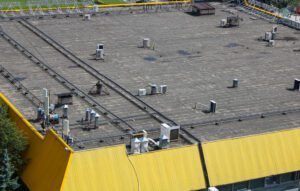
EPDM stands for ethylene propylene diene monomer. It’s a flexible rubber roofing material that works especially well on large flat roofs. The surface usually comes in sheets, which we roll out across the roof and glue or fasten down. The seams are either taped or sealed by heat to keep water from sneaking in.
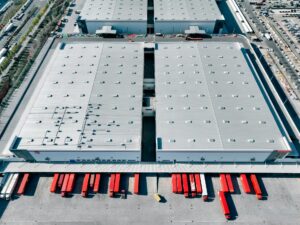
What makes EPDM such a strong pick for commercial buildings is its stretch, durability, and simple appearance. We often see it on big box stores, office parks, multi-family rooftops, schools, and warehouses. It performs well across long, open surfaces without breaking down easily.
Here’s why it’s often used:
- It handles foot traffic better than more delicate materials
- The dark color helps with quick snow melt
- Large sheets mean fewer seams, which lowers the risk of leaks
- It lays flat and clean on almost any surface
As part of our commercial roofing services, Modern Roof Systems installs new EPDM systems and offers restoration for existing flat and low-slope roofs throughout Naperville, IL and the wider Chicago suburbs.
How Does EPDM Roofing Handle Naperville Weather?
Cold snaps, freezing rain, and wind gusts hit hard in Naperville. And then, just like that, it’s 50 degrees again and everything starts to thaw. With all that bouncing around, we need a roof that can stretch and shift without cracking.
EPDM stays flexible, even in freezing temperatures. That means it moves with the roof instead of fighting against each shift in weather. Some materials get stiff or brittle when it’s cold, but this rubber stays bendy.
- The surface doesn’t crack easily under pressure from ice
- Snow slides off faster because of the dark color
- Puddles dry up more quickly after melt-offs
- The material holds up at the seams, where leaks usually sneak in
During warmer months, it can absorb heat, but most commercial buildings are already planned out to handle that. Good ventilation and insulation inside make a big difference when the sun’s beating down on black rubber.
What Maintenance Does an EPDM Roof Need?
Even though EPDM holds up well, it’s not totally worry-free. To keep things running smoothly, we like to check in a few times a year, especially after storms or sudden warm-ups.
Some things we often look at include:
- Checking drains to make sure meltwater isn’t pooling
- Inspecting seams and edges where lifting could lead to leaks
- Looking for small cuts or patches that may need sealing
- Removing leaves or branches that trap water and cause soft spots
The goal is to catch little problems before they snowball into something bigger. Regular inspections don’t take much time but can save a lot of headaches later.
Modern Roof Systems offers commercial roof inspections, repair, and maintenance plans focused on long-term performance of EPDM surfaces, preventing minor leaks and drainage issues from becoming costly repairs.
How Long Can EPDM Roofing Last?
When taken care of, EPDM is a long-game material. It’s not unusual to see it last 20 years or more on a commercial building.
What helps it last longer:
- Routine inspections in spring and fall
- Fixing issues early, like bubble spots or seam lifts
- Keeping foot traffic to a minimum, except when needed
What can shorten its life:
- Water sitting on the surface for days after rain
- Heavy gear or careless foot traffic dragging across seams
- Delaying repairs until something starts leaking indoors
Roofs don’t always give warning before problems happen. That’s why we like to stick to a plan and watch how the surface is aging as each year passes.
When to Consider Replacement or a Reroof
No roof lasts forever. As EPDM ages, it starts to show signs of wear that go beyond minor repairs. Knowing when to move from quick fixes to full replacement helps avoid disruption during storm season or heavy heat.
Here are a few red flags:
- The same leaks keep coming back, even after service
- Wrinkles, open seams, or brittle areas along the flashings
- Soft spots right under the surface that signal water has made it through
- Roof is past 20 to 25 years and starting to need more attention each season
Spring is a great time to look things over and make a call about what’s next. If a reroof is needed, it’s better to plan now, before summer heat and storms arrive.
Keep Your Building Covered the Smart Way
EPDM is a flexible, dependable option when it’s installed well and regularly checked. Across Naperville, IL, property owners trust it to hold up through changing weather, long winters, and hot summers.
With a little seasonal care and the right watchful eye, this kind of roofing can give decades of protection on flat and low-slope commercial buildings. Knowing what to look for, and when to ask questions, can make all the difference in how long your roof lasts and how much effort it takes to keep it doing its job.
Spring is the perfect time to learn how materials like EPDM roofing in Naperville perform as seasons change. We’ve seen firsthand how this option holds up to freeze-thaw cycles, dries quickly after snow, and brings long-lasting, low-maintenance strength to commercial roofs. Regular inspections and timely repairs help your roof reach its full lifespan. If routine checks uncover wear or you simply want expert advice, our team at Modern Roof Systems is ready to help you plan your next steps.