


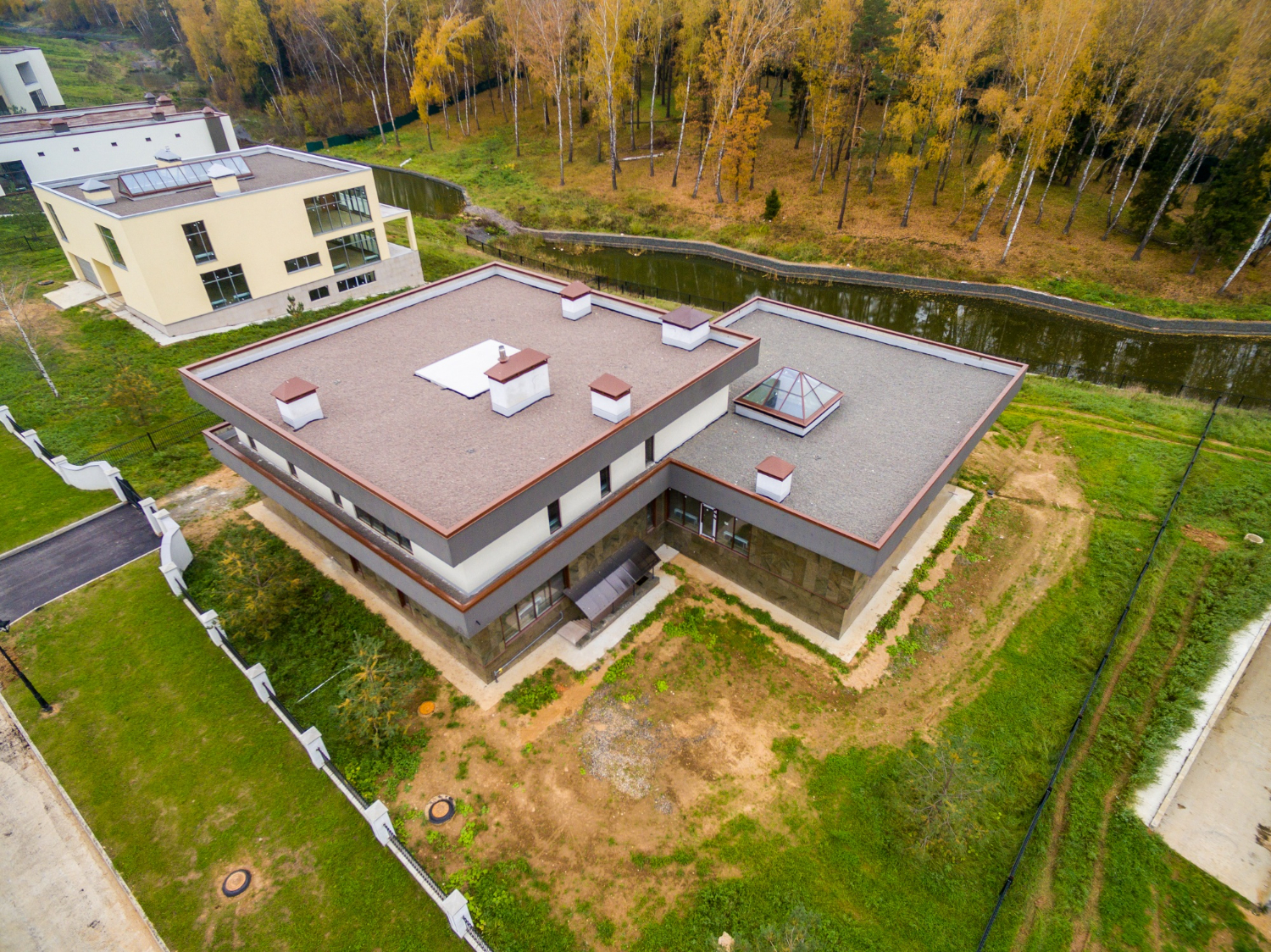

Spring is right around the corner, and in Naperville, IL, that means regular rainstorms, strong winds, and sudden weather shifts. For flat commercial roofs, that kind of weather can turn small issues into big headaches. Heavy rain pooling on the surface or leaking through old seams is not just frustrating, it can lead to damage inside the building, too.
That is why staying on top of commercial roofing maintenance before the rainy season really gets going is one of the smartest steps building owners and managers can take. Now is the time to check things over, fix what needs fixing, and prevent those costly spring leaks. Here is a list of things we look for when helping properties stay ready.
Check for Drainage Problems Early
Flat roofs have a way of holding water if the drainage is not working right. Unlike pitched roofs that let water slide off naturally, flat roofs rely on their drainage systems to do the heavy lifting. When those drains or scuppers get blocked, sometimes by leaves, sticks, or leftover snowmelt, it does not take long for water to collect.
- Standing water, or ponding, breaks down roofing materials if it sits too long
- Pooled water adds weight to the roof, which can speed up wear and tear
- Overflowing drains may send water where it does not belong, like into wall gaps or vents
We always recommend scanning those drain areas during a spring walk-through. If water has nowhere to go when April rains hit, it can start causing trouble fast. Catching these issues early helps keep everything flowing the way it should.
Modern Roof Systems offers drainage inspections, roof cleaning, and proactive debris removal for flat roofs in Naperville, IL, keeping water moving through every season.
Inspect Seams, Flashing, and Surface Wear
Winter temperatures in Illinois can do a number on roofing materials. When things freeze and thaw over and over, sealants shrink, flashing pulls away, and seams that looked fine in December can start to separate. That can leave paths for water to get underneath the surface without anyone knowing until water shows up inside the building.
- Seams between panels or membranes are common spots for leaks to begin
- Flashing around the edges or mechanical units is often the first part to crack
- Surface bubbling or soft spots may point to water trapped underneath
These kinds of issues often go unnoticed unless you are looking up close. Spring is the right time to take a slow, careful look at all the areas most likely to shift during winter. Fixing a seam or resealing a loose edge now is a lot easier than replacing damaged sections later.
Our commercial roofing maintenance services include detailed inspections of membrane seams, roof flashing, and vulnerable rooftop connections, identifying weak spots before they leak.
Watch for Signs Around Rooftop Equipment
Many commercial roofs in the Chicago suburbs support a lot more than just roofing layers. HVAC systems, vents, skylights, antenna mounts, and other mechanical units all punch holes through the membrane, and each one can be a weak spot if not sealed properly. After a stretch of cold months, these seals can start to break down.
- Look for any soft or spongy spots around equipment bases
- Check for rusted or missing fasteners where mounts attach
- Spot puddles forming under or near rooftop units before problems reach inside
Commercial roofing maintenance always includes checking these equipment areas. They are small details, but problems here can lead to big repair jobs if water starts leaking into ceiling cavities or affecting electrical systems. Giving these areas proper attention each spring helps keep everything safer and stronger year-round.
Modern Roof Systems inspects and maintains seals around rooftop units, ensuring HVAC and vent penetrations are watertight before the spring rain begins.
Why Spring Is the Right Time to Act
By the time April hits in Naperville, the freeze is mostly over and the early rains have started falling. That stretch of time after winter but before the heaviest spring weather sets in is one of the best chances to inspect a commercial roof safely and spot any damage that may have formed under snow or ice.
- Snow and ice can hide roof problems that are not visible until spring
- Warmer temperatures make inspections easier, with fewer icy or slippery spots
- Early fixes help stop leaks before weeks of rain start soaking in
Taking action now gives building owners more room to make smart decisions instead of reacting to surprise water damage during a stormy week. It is easier to plan repairs, easier to get access to the roof, and easier to protect what is inside the building before storm season picks up speed.
Keep Problems from Growing as Rain Picks Up
In the Chicago area, spring does not just mean one rainy day here and there. Some weeks bring back-to-back storms, strong winds, and plenty of moisture. Once the drains are flowing and the roof looks clear, that is just the beginning. Staying on top of a flat roof means having a plan in place to check up on those repairs and watch for new issues as they pop up.
- Set up regular checks to keep drains clear after windy days
- Monitor past repair spots for signs of wear or slipping
- Keep traffic on the roof minimal unless maintenance is needed
With a little extra attention now, property managers can avoid the last-minute scramble that comes when a leak shows up during a workday or interferes with a tenant’s space. Commercial roofing maintenance is not just about fixing what is broken, it is about staying ahead of the weather that is coming.
Keep Flat Roofs Ready for Spring Storms
Spring brings fresh air, longer days, and plenty of rain across Naperville, IL. A flat commercial roof has to be ready for all of it. The sooner small drainage problems, weak seams, and aging equipment seals are spotted, the easier it is to stop leaks before they start.
Now is the time to review the surface, check the drains, and double-check where rooftop units connect. Getting ahead of spring weather means fewer surprises later and more peace of mind for everyone inside the building.
Staying ahead of spring weather in Naperville, IL means spotting small issues before they turn into big ones. With everything from clogged drains to shifting seams, regular checkups help protect the roof and what is underneath it. Now is the best time to set up a plan for reliable, ongoing commercial roofing maintenance that keeps your building ready year-round. At Modern Roof Systems, we help prevent leaks and wear with services built for the Midwest’s unpredictable seasons. Schedule your spring inspection today.