





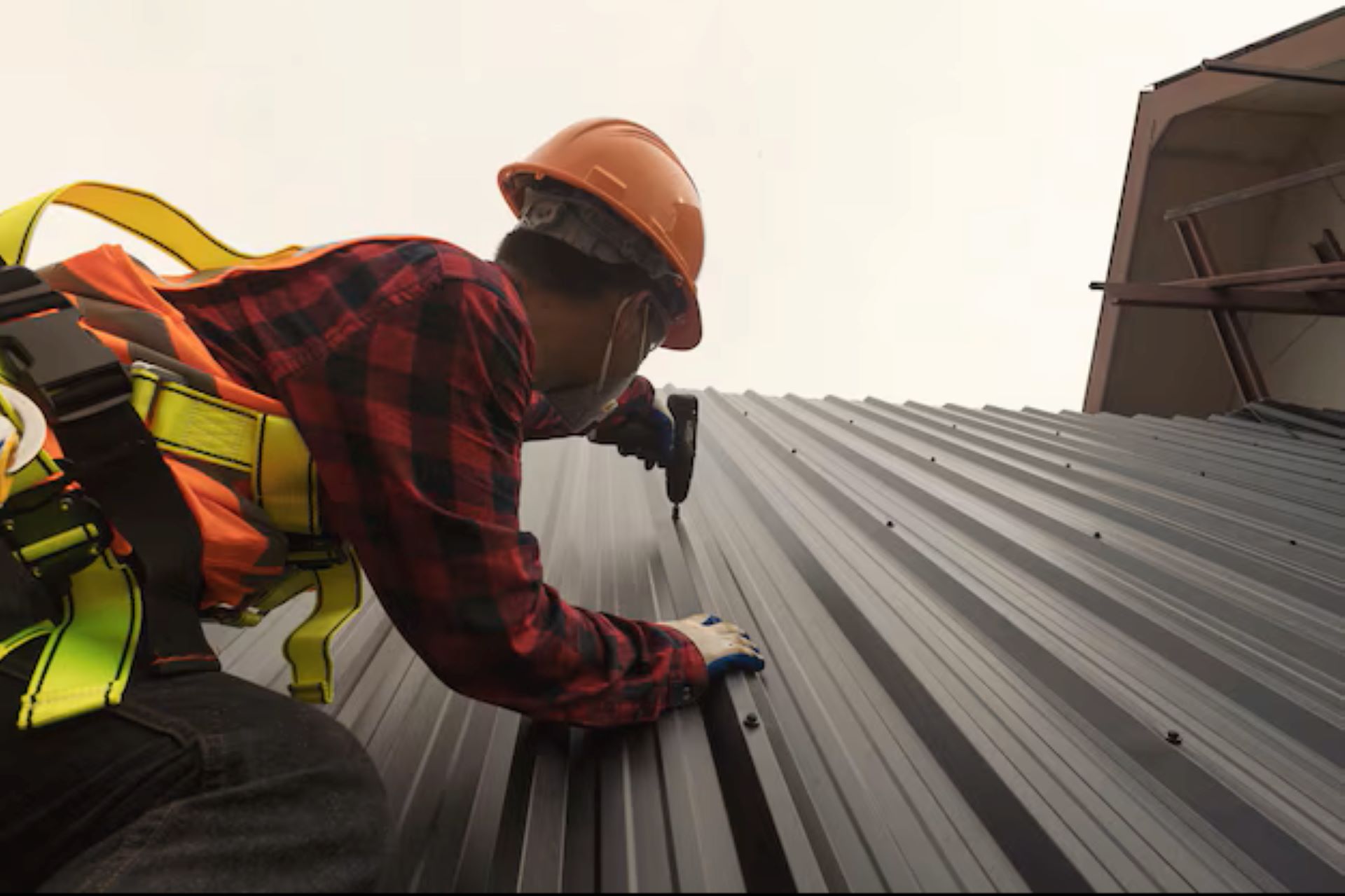

After a rough Midwest winter, most building owners around Naperville start turning their attention to the roof. Snow, ice, freezing rain, these stresses rarely leave a roof exactly how they found it. If your building has a flat or low-slope roof, a repair check might soon be in order. Commercial roof repair in Naperville is about knowing the right steps to spot problems early and take care of them in the right order, before spring storms hit harder.
Flat roofs can hide a lot under snow or pooled water, and even strong materials break down over time. When we fix commercial roofing, the steps we take are never random. Each one builds on the last to bring the roof back to a condition you can trust. Here’s how we walk through that repair process, one step at a time.
Step 1: Roof Inspection and Damage Assessment
The first step is always a hands-on look at the entire roof. We walk it from edge to edge, checking for damage that might not stand out at first glance. Flat roofs can wear in ways you do not always see from the ground or even from inside the building.
We look for things like:
- Cracked or shrinking areas in the membrane
- Seams that have pulled apart or lifted
- Water pooling that does not seem to drain
- Signs of wear around drains, vents, and flashing
Roof history makes a difference too. If a building had a big snow load during winter or was hit with freezing rain followed by a soft thaw, we look closer at areas that usually take the most pressure during those shifts. Any repairs done in earlier years may need a second check to be sure they held up through the latest season.
Modern Roof Systems performs roof inspections for commercial and multi-family properties throughout Naperville, IL, providing a detailed condition report after winter and identifying priority repairs for the season.
Step 2: Planning the Repair Approach
Once we have a full view of the damage, we do not just jump into work. What comes next depends on the roof type, the age of the existing membrane, and whether the problem is spread out or focused in one spot.
Repair planning includes decisions like:
- Will this be a patch fix, full replacement of a section, or sealing around seams?
- Is the existing material still in good shape around the damage?
- What does the schedule need to look like, based on weather and roof access?
If it is the middle of a rainy spring, that might limit which repair options can hold up. On dry days with mild daytime temps, more thorough work may be possible without rushing. This is where timing plays a big role, especially in March and early April when Midwest weather can flip fast.
We help building owners decide the best approach for every situation, offering options like single-ply membrane patches, full roof coatings, and localized replacement depending on roof condition and maintenance history.
Step 3: Prepping the Roof Surface
Before we touch any materials, we make sure the surface is ready. Dust, dirt, leaves, and even leftover salt from nearby sidewalks can all keep new layers from sticking right.
Surface prep usually covers:
- Clearing and cleaning the damaged area
- Removing loose material and debris
- Drying the surface if it is wet from snowmelt or rain
Safety matters here too. Our crews set up edge protection and fall-prevention steps before starting work. If the building is active, like an apartment complex or busy commercial center, we plan so tenants are not blocked from entries or bothered by the work. Roof access includes ladders, lifts, or deck entrances, depending on setup. Timing often has to work around the building’s daily flow.
Step 4: Completing the Repair
When the roof is clean and ready, the repair itself can start. The materials and process will match what was planned earlier. Some fixes are straightforward patches, sealed tightly to match the membrane. Others may take more time if part of the top layer needs to be peeled back, re-laid, and resealed.
Common repairs at this step include:
- Heat-welded patches over cracks or punctures
- Seam reinforcement using compatible tape or adhesive layers
- Flashing fixes around vents, drains, or edge sections
- Replacing worn insulation or top membrane layers in localized areas
Whatever the repair, quality is all about the small details. A patch laid unevenly, a seam left barely sealed, or a drain edge that does not line up can all lead to future problems. Taking time at this stage saves building managers from needing more work a few months later.
Our team at Modern Roof Systems uses manufacturer-approved repair products for all commercial flat roof projects, following industry guidelines to extend roof life and minimize future leaks.
Step 5: Final Walk-Through and Ongoing Monitoring
After the repair is done, we check it again. We want to see that drains are flowing, seams stay flat, and the newly fixed area blends back in with the rest of the roof. We also try to confirm that nothing got missed in areas that were not the primary focus.
This final check helps us answer:
- Did all water pathways (gutters, scuppers, drains) stay open during the work?
- Are patched areas tacky, lifting, or reacting to temperature shifts?
- Did any other problems show up during roof activity that deserve future attention?
With the seasons shifting in Naperville, this is a smart time to keep an eye on flat roofs. Snow is melting away, but March and April can still bring cold mornings and heavy rains. If you have had commercial roof repair in Naperville during late winter or early spring, now is the time for light monitoring. Watch for pooling, freezing after melt-offs, or fresh runoff patterns forming in the wrong places.
Keep Your Building Safer Season After Season
Step-by-step repair is more than just a routine, it is a way of giving every roof the care it needs after winter. Skipping steps or rushing through them can hide small issues that return fast when spring storms hit. Following each stage, from inspection to ongoing checks, helps solve the root problem instead of just covering it up.
This time of year offers a good window between snow season and spring rain. If a flat roof shows signs of stress, now is the perfect time to address the damage while the weather is cooperating. Getting ahead of roof issues protects your building, your tenants, and your peace of mind.
Winter can take a toll on flat roofs, especially in places like Naperville, where freeze-thaw cycles are tough on building surfaces. Noticing signs of wear or water that does not drain properly means it is the right moment to take a closer look. Our step-by-step process makes sure every section of your roof is thoroughly checked during inspection and repair. We’re here to help with reliable commercial roof repair in Naperville before spring weather brings bigger problems. Schedule a checkup with Modern Roof Systems today that fits your building’s needs.