


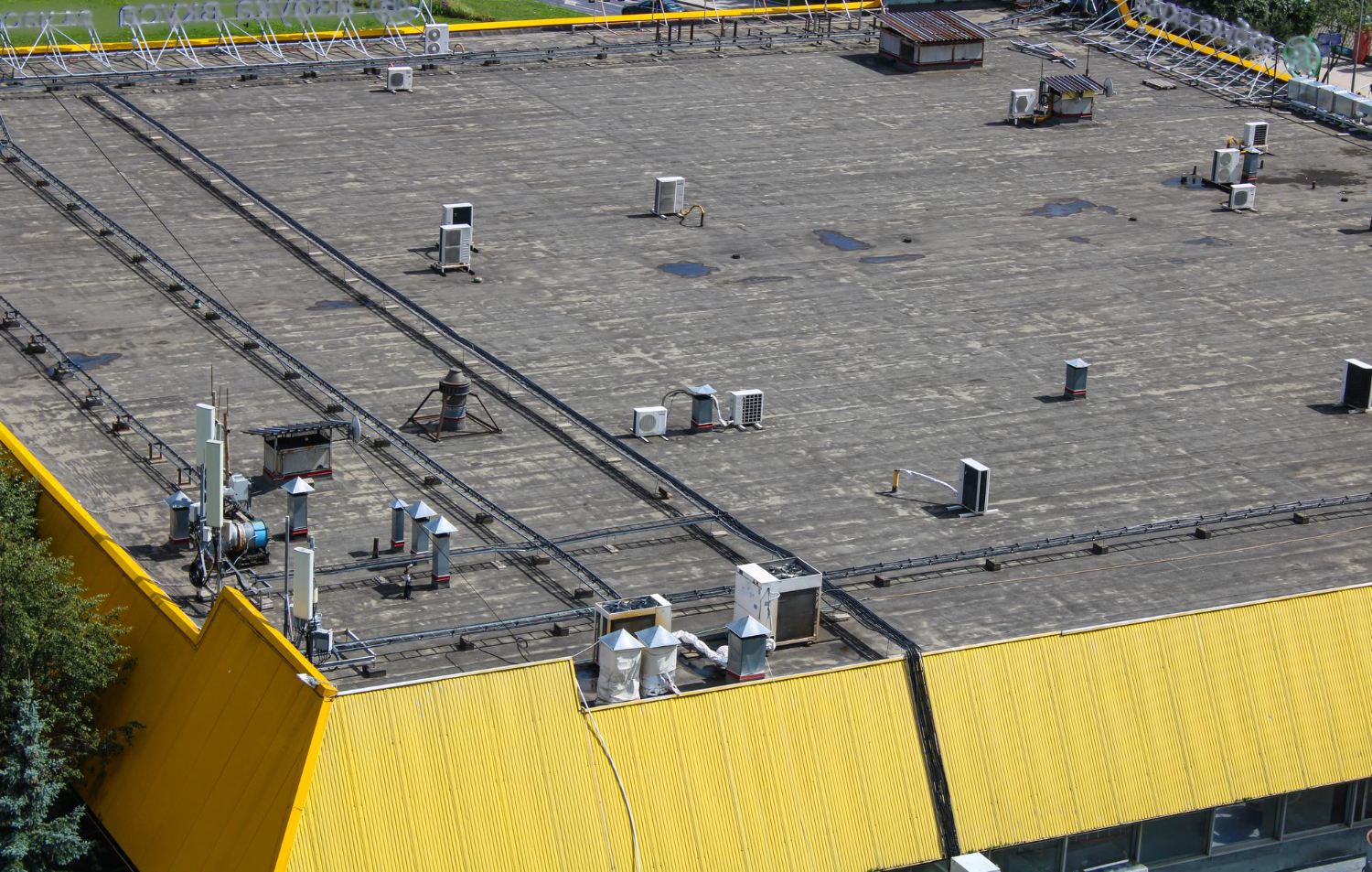

Early summer might feel like a break from winter roofing problems, but those higher temps bring their own set of challenges. Big commercial buildings with flat roofs deal with intense heat, direct sun, and sudden downpours throughout June and July. If the roof is covered in TPO, it’s built to handle some of those conditions, but not without regular check-ins.
TPO commercial roofing is common on grocery stores, schools, office parks, and warehouse buildings across places like Naperville, IL. It’s durable and reflective, which helps with heat, but it still responds to rising temperatures. The surface can expand, seams can shift, and stormwater can push beneath areas that start to lift. Summer does not wait for repairs, so being prepared matters more than people might expect.
How Heat Impacts TPO Roof Surface
Direct sunlight and high heat have an immediate effect on TPO. As the roof surface warms up, the material begins to expand. That’s natural for most roofing systems, but on a large building, this thermal movement can stretch the membrane across long spans with no shade.
As that motion repeats day after day, the surface can start to weaken. In some places, we see light bubbling where adhesive lets go. In others, the top layer gets dull or discolored from too much exposure. While the roof may still be watertight, these conditions are early signs the material is not holding up the way it did in cooler months.
Here are a few things we look out for when checking the membrane surface:
- Blisters or raised spots that shift when stepped on
- Bleached-looking patches that get worse under direct sun
- Cracks or scrapes caused by heat stress or expansion
When caught early, many of these problem areas can be patched or reinforced. Left alone, though, small surface issues tend to spread under summer conditions.
Modern Roof Systems uses white, energy-efficient TPO commercial roofing to help reflect UV rays and maintain better surface performance on hot days in Naperville, IL.
Why Seams and Flashing Need Extra Attention
TPO roofs are made from sheets, and those sheets are connected by seams. As the surface stretches with the heat, those seams take on a lot of strain. Movement from the building or from rooftop equipment can make things worse. Over time, gaps might open between sections, especially in high-stress zones near drains or edges.
The flashing along the sides of the roof, around curbs, and near mechanical units faces the same problem. Most flashing is made to flex a little, but repeated hot days can cause materials to lift or dry out. That’s when water has a way in.
- Look for loose edges where seam tape has shrunk or broken
- Pay close attention to corners where flashing folds around raised areas
- Check for drying or cracking around sealant lines
Even a little rain can take advantage of a gap. And in summer, it’s not unusual to get a heavy storm right after a stretch of dry heat. A weak seam might hold out just fine in the morning, then leak by the evening. That is why regular attention makes a big difference.
Our team inspects and reinforces seams, flashing, and termination points on TPO roofs, using manufacturer-approved materials to restore watertight protection before bigger storms hit.
The Role of Rooftop Equipment During Summer
HVAC systems work hard through the summer, and most of them sit right on the roof. That extra work brings extra vibration, and that movement transfers into the roof’s surface. If units were not sealed well during installation or if their mounts have shifted over time, issues can show up fast.
Roofing around these units is often the most vulnerable part of the system. It is not just cut out to fit equipment, it is usually crowded with wires, pipes, and fasteners. In hot months, that setup is under constant stress.
- Equipment pads can sink into soft membrane areas and cause dips
- Loose brackets or screws might pull against the surface during cooling cycles
- Seals where units meet the roof can dry out or shift
Checking these seals and mounts regularly during summer is one way to avoid a breakdown that affects the building below. With so much going on during hot months, the goal is to reduce the risk of surprise failures.
We provide rooftop HVAC curb resealing and flashing repair, ensuring each penetration remains watertight and secure for commercial roofs in the Chicago suburbs.
Checking for Drainage Issues After Heavy Storms
Summer storms can dump water fast. When downpours hit a large flat roof, it needs to drain efficiently. TPO surfaces are made to shed water, but if drains are clogged or parts of the roof have dipped over time, water can start to pool.
When standing water and heat mix, problems follow. Warm water speeds up roof aging. It can weaken seam adhesives, pull on flashing, and creep under small defects.
These are signs that drainage issues might be forming:
- Water that is still present 48 hours after a storm
- Discoloration around low spots that stay wet after the rest of the roof dries
- Debris built up at drains, scuppers, or around rooftop equipment
Regular summer checks make it easier to keep water moving. After any big rain, it helps to take a walk across the roof and note anywhere moisture sticks around too long.
Modern Roof Systems handles roof drain cleaning, debris removal, and water management to reduce summer pooling and the risk of leaks across commercial properties in Naperville, IL.
Keep a Maintenance Plan Going Through Hot Weather
Summer is not the time to assume the roof is fine. Since heat builds up slowly, problems are not always sudden. That makes small check-ins more useful than long gaps between visits. We recommend that building managers or maintenance teams do short walk-throughs throughout the season.
- Review previously repaired seams for signs of lifting
- Watch for new bubbling or surface wear
- Scan around all penetrations for drying sealant or movement
Short, regular visits can keep upcoming damage in check without needing to completely stop daily building operations. If any part of the roof looks or feels different than it did the last time, it is often a good signal that something is changing under the surface.
Stay One Step Ahead of Summer Roof Trouble
Hot weather works slowly but steadily on big TPO roofs. From the moment temperatures rise in Naperville, IL, each day starts to add up. Whether it is expansion along the seams, drying sealant around rooftop equipment, or ponding water after a heavy storm, summer has a way of showing what the roof is made of.
By checking in now and staying aware of how heat affects rooftop materials, we can head off major trouble before it makes its way inside. TPO commercial roofing holds up well when cared for at the right time. A little attention through the summer goes a long way in keeping everything running smoothly into fall and beyond.
At Modern Roof Systems, we know how much work your TPO roof does to protect your building in Naperville, IL, especially through harsh summers and storms. Regular maintenance helps you stay ahead of common issues that can quickly grow into costly repairs. Our team is ready to provide thorough inspections, timely patches, and upgrades when needed. To learn more about how we manage and maintain TPO commercial roofing in the Chicago suburbs, contact us today to schedule an inspection or get answers to your questions.