





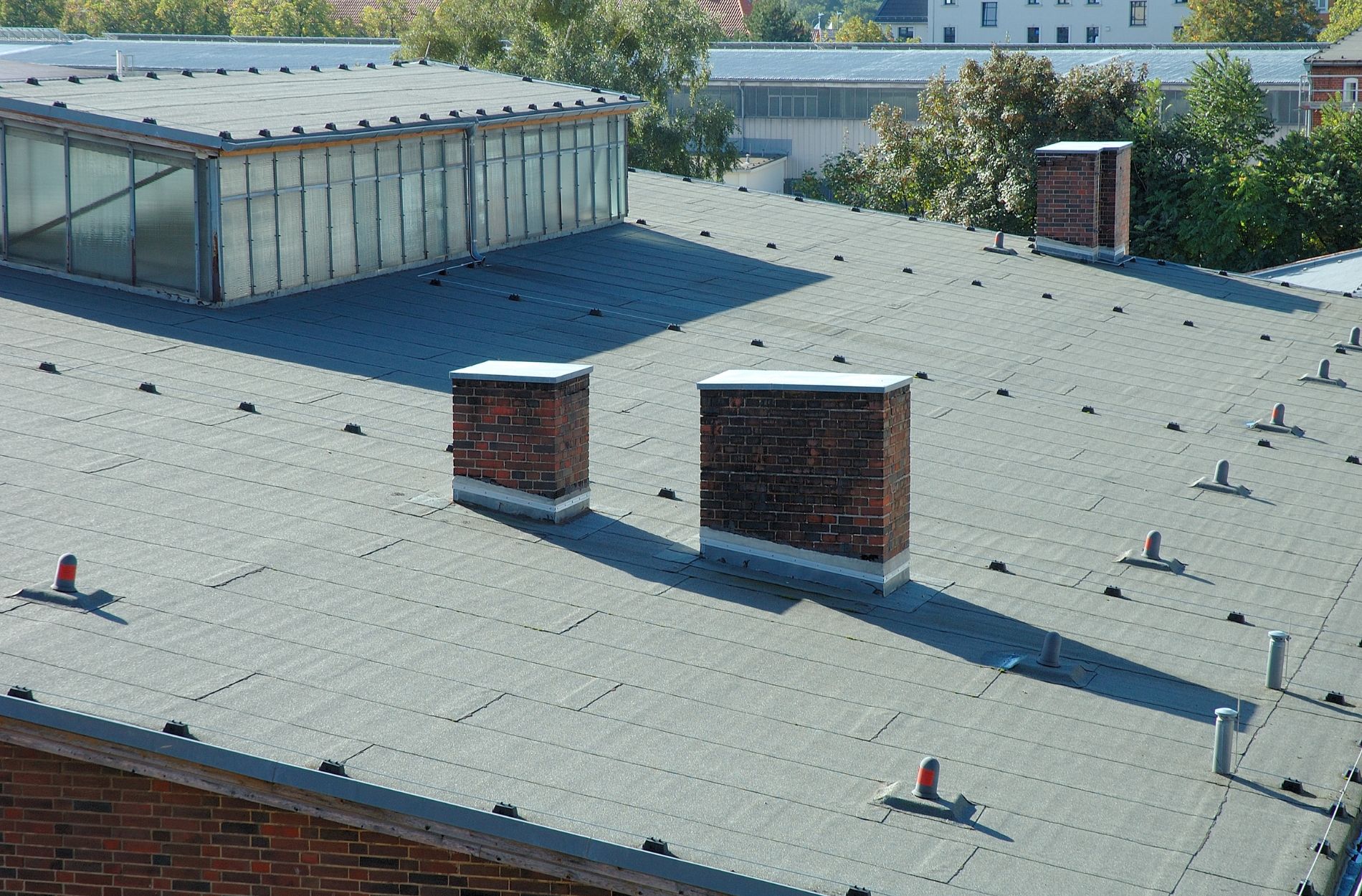

Once a spring commercial roof inspection is complete, that’s not the end of the process, it’s the start of smart planning ahead. A commercial roof inspection gives us a clear picture of what’s happening up top after a long Midwest winter. But how we follow up in the weeks after the inspection matters just as much.
In places like Naperville, IL, spring brings heavy rain, gusty winds, and trees shaking loose leaves and branches. It’s the kind of weather that tests any roof, even one that seemed strong in early March. Going beyond the inspection report and acting on what we’ve learned is key to keeping repairs under control and staying ahead of future leaks.
Review the Inspection Report
After the inspection, the first move should be reading through the report from start to finish. A good commercial roofing report doesn’t just list what’s wrong, it walks through everything that was checked, what looks solid, and what might need work soon.
It usually covers:
- Drainage systems like scuppers and internal drains
- Seams, joints, and flashing along edges and around rooftop features
- Surface conditions like cracks, blisters, or weak spots
- Mounted equipment such as HVAC units, vents, or satellite dishes
We recommend sitting down with a qualified pro, especially if anything needs fixing fast. They can explain what’s urgent and what’s more about long-term care. Roofs can seem simple from the ground, but reading an inspection report the right way often calls for some expert insight.
Modern Roof Systems creates detailed commercial roof inspection reports for Naperville, IL property owners and managers, helping you review every section, spot urgent repairs, and make informed decisions.
Prioritize and Schedule Repairs
Once we understand what the inspection uncovered, it’s time to decide what to fix now and what can wait until later in the year. Repairs usually fall into two groups: urgent and routine.
Here’s how we suggest breaking it down:
- Urgent: Any leaks, loose flashing, soft spots, or blocked drains should be placed at the top of the list. These are issues that can get worse fast, especially with more spring rain coming.
- Routine: Surface patches, aging sealant, or early-stage wear can usually wait a bit longer. But we still want to take care of them well before summer storms pick up.
Summer tends to be the best window for repair work. The weather’s clearer, access is safer, and it gives us time to get things done without rushing. Planning now helps avoid a scramble later.
Our team handles all levels of repair for flat and low-slope commercial roofs, from emergency fixes to seasonal maintenance and larger restorations in the Naperville, IL area.
Keep Drainage Areas Cleared
Even if drainage looked good during the inspection, it may not stay that way. Spring weather in Naperville, IL, can change fast. One strong storm can knock tree debris onto a flat roof and clog a drain overnight. That’s why it’s smart to keep an eye on those areas between cleanings.
Rather than checking it all ourselves, we suggest arranging for a regular follow-up. Pros can safely spot things like:
- Water collecting in low spots, especially near curbs and barriers
- Leaves or trash clogging drain guards
- Water backing up at flashing or scupper locations
Regular clearing keeps water moving the way it should. With so much rain falling in spring, a blocked drain turns into a leak faster than many people think. Staying on top of it keeps more costly problems from starting.
We provide roof debris removal, drain cleaning, and ongoing water management as part of our commercial roof maintenance services, reducing the risk of leaks after storms.
Check Up on Rooftop Equipment
Most commercial roofs also support a variety of equipment. That may include HVAC systems, antennas, communication boxes, or solar hardware. All of those systems connect through the roof’s surface with fasteners, cables, or sealed joints, and those are weak spots if left unchecked.
If the inspection tagged any of the following, don’t let the notes sit for too long:
- Loose clamps or panels around a unit
- Cracked or missing sealant where wires enter the building
- Water spotting near equipment bases
Even if nothing was flagged, it’s still worth setting a time mid-season to look again. These features shift over time and sometimes take damage from wind or temperature swings. A little movement at one fastener might cause a split in the surrounding membrane over a few short weeks.
We inspect and seal all rooftop penetrations and equipment mounts, making sure each area holds watertight through the season.
Make a Maintenance Plan for the Rest of the Year
Now that spring inspection is behind us, it’s a great time to sketch out a roof care plan for the rest of the year. This helps stop problems before they grow and spreads out roof-related tasks so they’re not all crammed into one season.
We usually recommend:
- Scheduling short summer and fall check-ins to stay ahead of wear
- Creating a simple log of drainage cleanings, repair dates, and any new issues spotted
- Making note of any building changes that added weight, traffic, or new rooftop systems
Roofs last longer and perform better when we keep a well-paced care plan. It doesn’t have to be detailed, it just has to keep us from forgetting things through the busy parts of the year. Staying organized helps prevent those big, unexpected repairs that catch us off guard.
Stay Ahead of Roof Trouble All Year Long
A spring commercial roof inspection sets the stage, but what we do after matters most. Clearing drains, planning repairs, and reviewing equipment points us in the right direction before summer challenges arrive.
Staying a step ahead in May means fewer surprises in July or September. We can’t always control the weather, especially around the Midwest, but we can control how prepared our roof is. That little bit of planning now pays off for the rest of the year.
Staying on top of roof care after spring inspections can make a big difference for properties around Naperville, IL. Creating a plan and handling small issues early helps avoid bigger problems during summer storms. When you’re sorting through next steps after a commercial roof inspection, we’re here to help make the process smoother. At Modern Roof Systems, we’re focused on keeping commercial buildings protected year-round. Contact us to plan your next move.