

When you’re responsible for a multi-family building, the roof isn’t just a structure overhead. It’s protection for dozens, maybe hundreds, of people and their belongings. Roof damage in this kind of setup doesn’t stay confined to one space. It can cause problems in multiple units, affect shared areas, and lead to tenant complaints or worse. Mold growth, water leaks, and damaged insulation can spread quickly once the roof is compromised.
Ignoring even minor roof issues can turn into a huge headache fast. A small water leak can damage drywall, short-circuit electrical systems, or ruin flooring in more than one unit. Waiting too long to address damage can also raise the repair bill or compromise safety. That’s why acting quickly and correctly is key to managing roof damage in a multi-family property.
Initial Assessment: Look But Don’t Risk Safety
When you first notice possible roof damage, whether after a storm or based on tenant reports, it’s important to get a clear look at what you’re dealing with. But safety comes first. Don’t climb onto the roof or attempt to fix anything yourself. The structure might be unstable, or you may not spot hidden damage beneath surfaces. A fall from a multi-story building can have serious consequences.
Even without getting on the roof, there’s still a lot you can do to get a basic idea of the situation:
– Walk around the exterior and look up at the roofline. Notice if anything looks out of place like sagging spots, visible holes, or missing shingles.
– Step inside attic or top-floor spaces (if accessible) to check for light coming through the roof boards, wet patches on walls or ceilings, or musty smells.
– After a rain, look for water stains, bubbling paint, or dripping. These are signs water is getting in.
– If debris like tree limbs has fallen on the roof, don’t try to remove it yourself. It might be covering a more serious break or hole.
Once you spot visible signs of damage, take clear photos and notes. Include the time and date and where it was found. These records can help if you end up filing an insurance claim or working with a specialist. The more information you have, the better everyone involved can understand the scale of the issue.
One property manager noticed wet ceiling tiles in two top-floor apartment kitchens after a heavy storm. Instead of guessing what was happening, they walked the perimeter of the building and noticed dark patches near a roof drain pipe. Photos and notes from that quick walk helped confirm water backup and made the next step with a roofing pro much smoother.
Contacting a Roof Repair Specialist
If the signs point to roof damage, your next move is contacting a specialist who knows their way around multi-family buildings. Timing matters here. Even if the weather is calm now, more storms or temperature swings could make things worse fast. The longer you wait, the harder and more expensive it can be to fix.
Look for a roofing contractor who:
– Has experience with larger properties like townhomes, apartment complexes, and duplexes
– Is familiar with multi-family building codes and structural needs
Before you hire, have a short list of questions ready. These can help set expectations and reduce surprises down the line:
1. Do you have experience with buildings that house multiple units?
2. How soon can you send someone to assess the damage in person?
3. What safety protocols do you follow while working on roof repairs with tenants below?
4. Do you provide written assessments with photos or estimates for insurance purposes?
5. What’s your availability for ongoing inspections or routine maintenance services?
The answers will give you a sense of how organized, communicative, and prepared the company is to work on your type of property. You don’t want someone who’s only focused on single homes. Multi-family buildings are more complex, from access and repairs to managing disruption for those living inside. Taking a little time to ask the right things upfront can save a lot of time later.
Temporary Solutions to Prevent Further Damage
While waiting for a professional to arrive, the main goal is to prevent the damage from spreading. For multi-family properties, that means reducing indoor exposure as much as possible to keep common spaces and occupied units dry and safe. These steps aren’t long-term fixes, but they can help minimize problems in the short term.
If it’s safe and accessible, use the following temporary methods to keep water and debris from causing more harm:
– Cover any obvious holes or gaps with heavy-duty tarps and secure them using weights or nails if the surface allows
– Block off areas inside the building with signs or tape if there’s water leaking indoors to prevent others from walking through or slipping
– Use buckets or containers to catch dripping water and empty them regularly
– Move or cover any items below the leak, especially electronics, furniture, or tenant belongings
– Place plastic sheeting or waterproof material under affected ceiling areas to protect floors and reduce water spread
Always keep safety in mind when using ladders, handling wet surfaces, or placing anything near potential structural issues. If rain or wind is ongoing, wait for the weather to clear before trying to patch anything.
One manager in a midsized complex covered a small opening with a tarp after a tree limb knocked loose some shingles. It stopped further rain from leaking in and gave them a few extra days to coordinate a repair without new complaints from residents. These short-term steps can give both time and peace of mind until real repairs can begin.
Insurance and Repair Process
Once the damage is under control and documented, it’s time to move forward with insurance and start the repair process. Every policy is different, so it’s smart to review your coverage and be clear about what’s included and what might be out-of-pocket.
Start by reporting the damage to your insurance company. Include:
– Photos and videos gathered during your assessment
– A description of how the damage likely happened (storm, fallen debris, etc.)
– A copy of the repair estimate from the roofing specialist
Your carrier may schedule a visit by an adjuster. Be ready to show the impacted area and share any reports or documentation you’ve collected. Having the roofing expert on-site when the adjuster comes can help clear up any questions quickly and make the claims process smoother.
While you wait for claims to process, your roofer can usually begin prepping materials or securing the job on the schedule. For multi-family buildings, scheduling matters. You’ll want to coordinate with tenants, avoid peak use hours, and reduce as much disruption as possible.
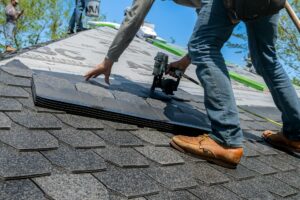
The repair itself might involve replacing shingles, resealing flat roof sections, fixing drainage systems, or addressing interior water damage depending on the severity. A reliable team will give ongoing updates during this phase so you’re never unsure of progress.
Ensuring Long-Term Roof Health
Taking care of repairs after damage is one thing. Keeping your roof in good shape year-round is another. Multi-family buildings need a plan that goes beyond emergency fixes. The more you keep up with regular checks, the less likely you’ll run into surprises after storms or seasonal shifts.
Put a maintenance plan in place that includes:
– Seasonal inspections in spring and fall, which are ideal in Naperville
– Routine cleaning of gutters and drainage systems
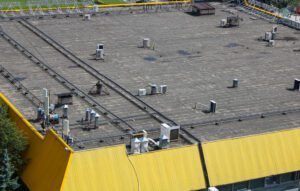
– Checks around rooftop features like vents, HVAC units, and skylights
– Sealing or recoating flat roof surfaces when signs of wear appear
– Inspections after major storms, even if no visible damage is reported
Having scheduled roof maintenance can help catch small issues before they become big ones, especially in buildings where the roof area is expansive or more complex to reach. Multi-family roofs often include multiple slopes, shared structures, and flat surfaces that need special attention.
It also helps to keep detailed maintenance records. That way, if something does go wrong, you already have a timeline and history of care which helps during insurance claims or future repair needs. Responsible upkeep keeps both your tenants and your property protected.
Keeping Your Multi-Family Building Safe
Acting fast when roof damage happens doesn’t just save time. It can keep dozens of tenants safe and comfortable. Roof problems can get out of hand quickly when multiple units are involved, and no one wants to deal with unhappy residents, mold growth, or unexpected repair bills.
By taking prompt action, leaning on experienced help, and putting a long-term roof care routine in place, you’ll make managing these buildings less stressful. Whether the damage is big or small, treating the roof like a key part of your building’s health makes future emergencies much easier to handle.
To keep your multi-family building’s roof in top shape, it’s important to work with a trusted expert. Learn how Modern Roof Systems can support you as a dependable roof repair specialist. Whether it’s routine maintenance or urgent repairs, we’re here to help safeguard your investment and maintain a secure environment for your tenants.