





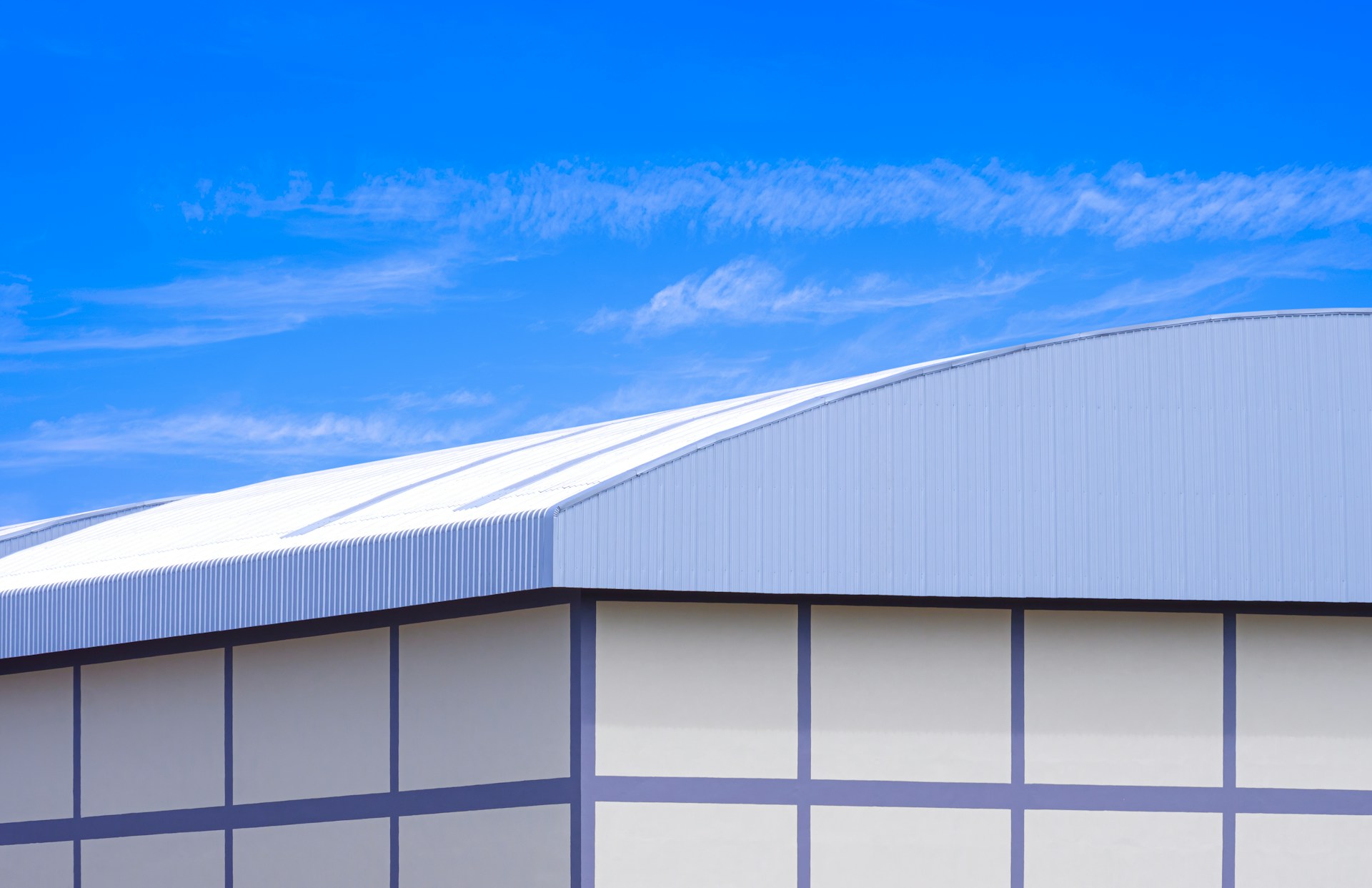

When it comes to roofing for large warehouses, what works for one building may not be the right fit for another. These spaces need more than just a basic cover. They need a roof that stands up to long days, changing weather, and constant use.
In places like Naperville, IL, where both winter snow and summer heat hit hard, choosing the right material can make a big difference in how well a roof holds up over time. That is where industrial roofing services come in. Comparing roof systems based on strength, energy savings, and ease of maintenance helps building owners make better long-term choices. When a warehouse owner wants a roof that brings good value and low stress, it helps to look at several popular systems side by side and think about the ways each performs in the real world. This article looks at the leading roofing materials for large buildings and gives a closer look at their features to help guide the selection process.
Built-Up Roofing (BUR)
Built-up roofing is one of the oldest types used on warehouses and commercial buildings. It is made by piling up layers of asphalt and fabric, often finishing with a layer of gravel on top.
- Multiple layers offer solid protection against wear and rough weather
- Gravel helps reflect sunlight and protect the materials underneath
- Strong enough to handle regular foot traffic from maintenance crews or equipment work
This type of roof works well in sunny areas and holds up even when walked on regularly. Still, it adds a lot of weight to the building. That can be a problem for older structures if their load capacity is checked first. BUR roofing has long been favored for its durability in tough climates, and the layered setup can be adjusted to fit different building sizes or performance needs. Maintenance normally involves checking for loose stones and making sure the top gravel layer is still in place to protect the lower layers from UV rays and weather exposure.
Modified Bitumen Roofing
Modified bitumen is made to handle movement caused by temperature swings. It is built from a rubbery coating that stays flexible no matter the weather.
- Holds up under freeze-and-thaw cycles without cracking or splitting
- Easy to patch over time, which helps extend the lifespan of the roof with proper care
- Keeps moisture out and stays strong, even when the surface gets hot or cold
For warehouses that need sturdy yet low-maintenance protection, modified bitumen is often a smart choice. It gives dependable coverage without demanding constant attention. Modified bitumen can be installed in rolls, and its flexibility is especially useful in places where summers are hot and winters bring freezing temperatures. A maintenance crew can quickly check seams, watch for small holes, and easily seal up minor issues, which keeps the roof system working well year after year.
Metal Roofing Systems
Metal panels are widely used on large factory and warehouse roofs. They are long-lasting and cover big areas quickly.
- Panel systems install fast and lay down tight, helping reduce chance of leaks
- Reflective surfaces can lower surrounding temperatures inside on hot days
- Needs inspection after storms, since metal can rattle, loosen, or dent
One thing to keep in mind is noise. Rain or hail can make a metal roof loud. While that does not change how well it works, insulation may need to be added to quiet things down and control temperature inside. Metal roofing is also popular because of its fire resistance and its ability to shed snow or rain efficiently, helping protect stored goods below from water issues. Many warehouse owners like the fact that metal roofs can be painted or coated for added protection, and the systems often last for many decades with consistent care. Regular checks for any loose screws or sealant failures will help the entire roof stay strong against weather across all seasons.
Modern Roof Systems installs metal roofing for warehouses and large commercial buildings, offering solutions that balance fast coverage, long life, and durability in the Midwest climate.
TPO and PVC Membrane Roofing
Both TPO and PVC systems are known for being light, flexible, and easy to install on large, flat surfaces like warehouse roofs. These single-ply membranes roll out in sheets and are sealed so water cannot get in.
- TPO and PVC resist UV rays, mold growth, and chemicals
- Their bright surfaces reflect sunlight to help reduce indoor heat in summer
- Light weight makes them good for buildings where heavy roofing is not ideal
These systems are a popular part of industrial roofing services, especially where regular foot traffic is limited and cooling costs are a concern. TPO is especially common in warm, wet climates, while PVC stands up well to oils or other materials stored inside. Because of their smooth surface, TPO and PVC are easier to keep clean and make it hard for dirt, debris, or algae to build up over time. Regular maintenance usually means inspecting seams for separation and making sure drainage points are not blocked. This type of roof can be the right fit for large distribution centers, especially where the building’s design cannot support heavier systems.
Modern Roof Systems provides installation and repair of TPO and PVC single-ply roofing systems for industrial and warehouse clients in Naperville, IL, focusing on solutions that manage heat and reduce leaks.
What to Look For When Choosing a Roof for a Warehouse
Before picking a roof, it helps to think through how the building will be used now and in the future. Some warehouse roofs only need to keep moisture out, while others are expected to take on electrical gear or HVAC systems.
- Take note of how large the roof is and how much support it needs
- Ask what is going to be stored underneath and whether extra insulation is expected
- Check if the roof needs to be walked on often for maintenance or inspections
A roof that is right for a storage center might not fit a facility with 24/7 activity overhead. Getting a roof that fits the whole job, not just parts of it, leads to fewer surprises later. It is also important to look at local building codes, slope requirements, and how easy the surface will be to access whenever repairs or upgrades are needed. By looking at both the physical setup and the daily use of the warehouse, building owners can match their roofing system to real-life needs instead of just initial plans.
Finding the Right Fit for Long-Term Performance
Choosing a warehouse roof is about more than just price or speed. It is about matching the roof to the building, the job it is doing, and how much care it will need down the road.
From the thickness of built-up layers to the shine of TPO membranes, each roofing system serves a purpose. With the right plan and steady maintenance, any of these options can perform well season after season. For warehouse owners in Naperville, IL and beyond, finding that perfect fit brings more peace of mind and stronger weather protection for years to come. Getting a roof that does the job day after day, through hot summers and snowy winters, makes life easier for owners and tenants alike. Smart choices in materials and ongoing care often pay off with fewer repairs, lower energy bills, and a safer work environment for all.
At Modern Roof Systems, we focus on long-term solutions for warehouse owners in Naperville, IL, understanding that each building has unique needs and challenges throughout the year. Our recommendations address your location and specific use, helping provide the best protection for your investment. See our industrial roofing services for options that make sense for your facility. Whether you are planning a project or seeking expert advice, our team is ready to help you make informed decisions about your roof.