





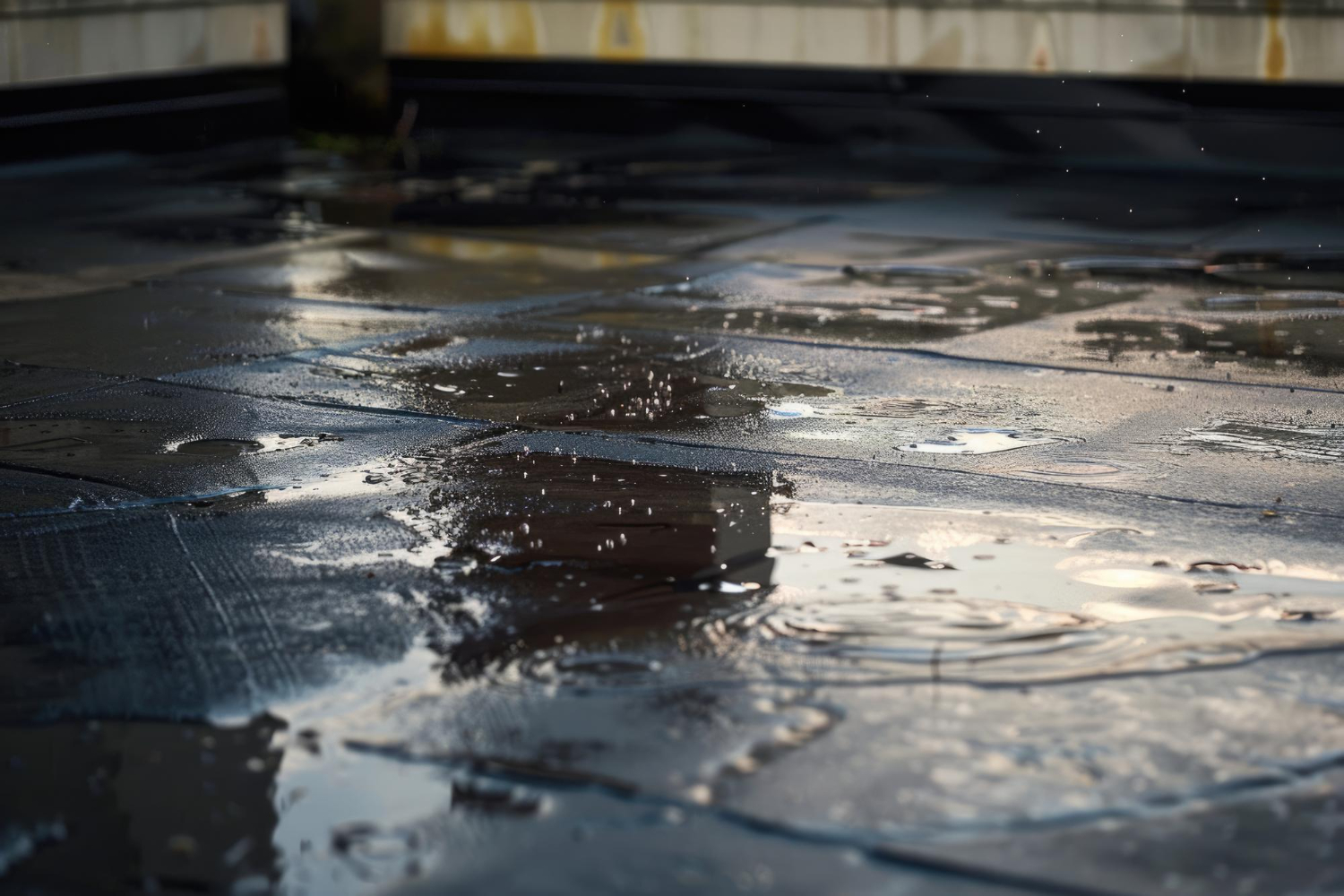

If you’re seeing water collecting in puddles on a commercial roof after it rains, that’s a sign something could be wrong. Pooling water happens most often on flat or low-slope roofs, and it usually means the water isn’t draining the way it should. Whether it’s coming from blocked drains or a problem with how the roof was built, standing water shouldn’t be left alone.
Catching it early helps prevent more damage later. A good commercial roofing installation should keep water moving off the surface, not let it sit there. If puddles keep forming, it’s time to figure out why.
What Causes Pooling Water on Flat Commercial Roofs
Flat roofs are common on commercial buildings, especially around Naperville, IL. They’re practical, but they need the right drainage setup to work well. When that system fails or gets overwhelmed, you’ll often see water pooling in certain parts of the roof.
- Drains, scuppers, or downspouts can clog with leaves, dirt, or roofing debris
- Low spots may form if the slope isn’t set correctly, or if the building settles over time
- After a strong storm or heavy winds, trash and leaves can pile up
- Years of weather, foot traffic, and repeated freeze-thaw cycles can break down the surface
When the water has nowhere to go, it stays. And when it stays too long, problems have a chance to grow.
Modern Roof Systems repairs drainage systems, reshapes low spots with tapered insulation, and clears rooftop debris for commercial and multi-family roofs in Naperville, IL and the surrounding area.
Why Pooling Water Should Never Be Ignored
Letting those puddles sit on your roof isn’t just a cosmetic issue. Over time, the water starts to wear down the roofing material underneath. That makes it easier for leaks to form and for moisture to get through areas that used to be sealed.
- Soft spots and cracks can develop under the water’s weight
- Over time, leaks can reach the inside of the building
- Mold or rot may form in the layers below the surface
- The roof’s structure can get stressed from the extra pressure
Even a brand-new roof can run into trouble faster if ponding water is left alone. It’s one of those things that can seem small at first, but it adds up.
How Pooling Can Point to Problems With Installation
When pooling water shows up after a recent install, it might point to mistakes in the commercial roofing installation itself. A proper slope should let water roll off the surface quickly. If it’s still sitting there, we start looking more closely.
- Tapered insulation might be missing or installed unevenly
- The roof layout might cause dips or valleys where water collects
- Drains could be in the wrong spots, letting water build up in corners
- Seams may not be sealed well, which can slow drainage
A correctly installed roof won’t leave puddles behind after a storm. It’s built to drain fast and protect the building underneath without a second thought.
Our skilled team at Modern Roof Systems installs, repairs, and inspects commercial flat and low-slope roofs to ensure correct slope, optimal drainage, and long-lasting membrane performance.
What a Professional Should Look for During Inspection
Pooling water can hide other problems. That’s why we recommend a full inspection when we see signs of it. A careful walk-through can help spot what’s causing the water to collect, and whether it’s damaging anything below.
- Check if the surface has dips or sagging spots in the material
- Look closely at drain locations and whether water is reaching them
- Scan for cracks, bubbles, or split seams along the membrane
- Match trouble spots with older repairs or spots that have sunken insulation
We don’t just look at the puddle. We try to figure out what made it form and how long it’s been sitting there. That helps guide the next steps.
When an inspector walks the roof in Naperville, IL after a heavy spring rain, they often start by looking for patterns. Some pools always form in the same places, while others might be new after the winter thaw. In older buildings, a minor dip can worsen over time, but it can also point to structural settling that needs more work than just filling in the spot. Comparing inspection notes year to year can also show if puddles are getting bigger, staying the same, or showing up in new places. This step helps the owner plan for repairs, cleanings, or upgrades that go beyond quick fixes.
Sometimes, there are telltale signs that moisture has broken through the top layers. There could be bubbling in the roof surface, or a strong musty smell coming from drains or corners. These symptoms give clues about where to start repairs. Before making fixes, a professional will usually test areas around the water to gauge how soft the rooftop has become and whether membranes still hold tight. Having a consistent roof inspection schedule, especially after storms in the spring, makes it easier to keep track of changes and avoid missing new problems.
Preventing Pooling Now and Into the Next Season
Spring in the Midwest brings plenty of rain, so it’s a good time to get ahead of drainage issues. With snowmelt and storms showing up more often, roofs that handled winter may start to show wear in the months ahead. That makes May a smart time to check that everything’s still draining as it should.
- Clean out drains, gutters, and scuppers as part of your spring check
- Pay attention to wear near seams, flashing, or unit bases
- Fix any low spots or bubbling that could hold water
- If it’s a newer roof and you’re noticing water pools, it’s time to double-check the install
Finding and fixing these problems now is easier than doing it in the middle of summer when the heat makes repairs more difficult.
Prevention steps are important because pooling water doesn’t just disappear. Even a small puddle can return if drainage isn’t checked and improved. Regular spring maintenance can include sweeping out loose debris, checking for plant growth at drain openings, and looking for signs of ponding after each rain. This way, you get more time to repair before busy summer months. If team members keep photo records or quick log notes, it’s much easier to notice if the water problem is a one-time thing or something that repeats and needs more attention.
Many owners wait until a problem gets big, but simple checks help tackle issues while they’re small. This approach also helps avoid any surprises when commercial property inspectors review the roof before renewals or leasing agreements.
Keeping Your Roof Clear, Dry, and Trouble-Free
Pooling water isn’t just a problem for the roof. It can lead to leaks, interior damage, and shorter roof life if it stays too long. That’s why we always pay attention if your flat roof isn’t draining after a rain.
When we catch these issues in spring, there’s more time to address them before the summer sun makes things worse. A dry, well-draining roof is one of the best protections your building can have through every season. Keeping that surface in check now helps avoid bigger headaches later.
Water pooling on your commercial roof in Naperville, IL after every storm is a clear sign that your system may not be draining as it should. We take the time to inspect each layer and layout to ensure water flows properly, preventing damage and costly repairs. Proper slope, sealed seams, and reliable drainage all begin with a strong foundation. If you suspect your building needs attention, let us take a closer look at your next commercial roofing installation. Call Modern Roof Systems today to schedule an inspection or discuss your options.