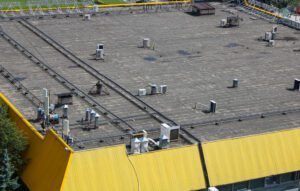


Modified bitumen roofing has become a trusted choice for commercial and multi-family buildings, especially here in places like Naperville, IL, where cold weather can hit hard. As late fall rolls around and we prepare for biting winds, ice, and snow, it’s a good idea to know how this roofing material holds up.
Not all roofing systems respond the same way to freezing temperatures. Cracks, leaks, or soft spots can sneak in during winter when the roof faces more pressure than usual. That’s why understanding how modified bitumen roofing works in these colder months can help us stay ahead of any weather-related damage. Let’s look at what makes it different, what winter can do to flat roofs, how this system performs, and the steps we can take to keep it strong all season.
What Modified Bitumen Roofing Is Made Of
Modified bitumen is a layered roofing material made from asphalt combined with special polymers. These layers form flexible but tough sheets that are designed to cover flat or low-slope roofs. What sets it apart is the way those layers work together to protect the surface from the elements, especially when the weather gets cold.
Each sheet includes a base layer for support, a middle layer that gives strength, and a top coating that protects against UV rays and water. These layers are either heat-welded or stuck down with adhesive, creating a tight, sealed surface that’s built to last.
The material is commonly used on commercial and multi-family buildings because:
- It holds up well to foot traffic and rooftop equipment
- The sealed seams lower the chances of leaks
- It stays flexible even when the temperatures drop
Because areas like Naperville deal with freeze-thaw cycles in the winter, those qualities make modified bitumen especially useful. It’s built for tough conditions and gives a roof the kind of support it needs when the weather turns.
Modern Roof Systems specializes in the installation and maintenance of modified bitumen roofing for commercial clients throughout Naperville and the surrounding region. They use premium materials and experienced crews to ensure each roofing system holds up through harsh winters.
Why Cold Weather Puts Stress on Flat Roofs
Winter brings more than snow and ice. It also brings quick temp changes that can put pressure on a flat roof. When water freezes, it expands. Then, when it melts, it shrinks again. That back-and-forth action, called the freeze-thaw cycle, can loosen seams, crack surfaces, and allow moisture to seep into places it doesn’t belong.
Flat roofs are more likely to collect snow or puddles. If that water freezes, it can block drains or build up around edges and flashing. Over time, that trapped moisture can wear down materials or seep between layers.
We often see stress in certain problem areas:
- Around drains that freeze over or get backed up by slush
- Near flashing or vents where cold air meets warm indoor air
- Along surface seams, where expansion and contraction pull things apart
If these weak spots go unnoticed, small cracks can grow. Once water works its way under the surface, the roof loses its tight seal, which may show up later as ceiling stains, leaks, or sagging areas inside the building.
How Modified Bitumen Roofing Stands Up to Winter
What makes modified bitumen roofing a smart pick for cold-weather climates is how it handles stress. The asphalt and polymer blend stays flexible when temperatures drop. That helps the roofing system move with the building instead of cracking or pulling apart.
Here’s how it holds up when the freeze comes in:
- It resists cracking from cold snaps and hard freezes
- The sealed layers keep water from sneaking in through gaps or seams
- It’s less likely to blister or bubble, even when daytime temps go up and nights turn icy
Compared to some other flat roofing materials, modified bitumen does a better job of staying sealed through winter changes. Snow can sit on it without soaking through, and it rarely splits unless the surface has already started breaking down. That makes it a good option for buildings that need year-round protection in areas like northern Illinois.
Modified bitumen is one of several roofing materials offered by Modern Roof Systems, and their installation methods are designed to meet manufacturer warranty standards and help roofs last longer.
Maintenance Tips Before and During Winter
Even though modified bitumen roofing works well in cold weather, it still needs regular attention. Before winter sets in fully, it helps to give the roof a once-over to catch anything that might need patching or cleaning.
Start with the basics:
- Check drains and gutters for leaves or debris
- Look for low spots where snow or water can collect
- Make sure flashing and seams are tight around equipment and walls
We’ve found that high-traffic spots, like areas near rooftop HVAC units or corners where snow drifts collect, are often the first to show wear. It’s a good idea to do a careful walk-through at the end of fall and again during any thaw that follows a big snowstorm. Catching problems early can help keep the surface strong all the way to spring.
A small crack might not seem like a big deal in November. But if water freezes in that same spot over and over, it can turn into a bigger leak by January. Keeping up with small fixes now saves more work later.
Modern Roof Systems can help with preventative maintenance, leak repairs, and annual fall inspections for flat roofs to make sure everything is in order before winter weather hits.
A Roof That’s Ready for Winter Lasts Longer
Modified bitumen roofing doesn’t mind the cold. Its layered build and flexible surface make it one of the more reliable flat-roof materials when winter sets in. It holds strong through snow, ice, and the constant freezing and melting that winter brings.
Still, no roof is totally hands-off. Giving it some attention before and during the colder months helps stop minor wear from turning into expensive damage. A little surface care, a few cleaning checks, and an extra look at drain areas can go a long way in getting through the freeze with less trouble.
If we check things early, fix small issues fast, and watch how the roof holds snow or ice, we can stop most problems before they start. That means fewer surprises when the next storm rolls in and more peace of mind knowing the building is holding up where it matters most.
When thinking about how to keep your building protected during the cold months, it helps to know what your roof is really built to handle. Our experience with flat roofing in places like Naperville shows just how important regular checks and smart materials can be. For buildings that face snow, ice, and lots of temperature shifts, modified bitumen roofing can offer reliable performance when installed and maintained the right way. At Modern Roof Systems, we help property owners stay ahead of issues before winter weather moves in. Contact us to talk about what roof setup will work best for your property this season.