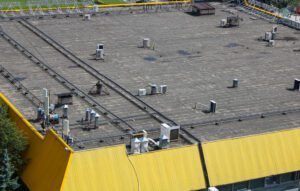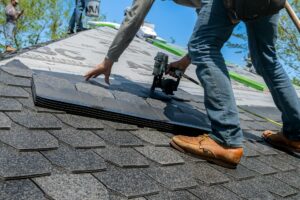


Winters in Naperville, IL come with more than just cold air. Heavy snow, ice, and freezing temperatures can put a major strain on commercial roofs, especially those with flat or low-slope surfaces. When weather brings added weight and constant thawing and freezing, roof systems need to be strong and flexible.
TPO roof installation is one solution that holds up well under these winter stresses. Its materials and design give buildings in areas like Naperville added protection when snow piles up and the temperature drops. For property owners looking for long-term performance in tough weather, TPO stands out as a smart choice.
Why Heavy Snow Is Hard on Commercial Roofs
Snow can quietly build up until there’s more weight than a roof was built to handle. That becomes a risk especially for flat commercial roofs that don’t shed snow as quickly.
Here’s how winter snow can cause problems:
- Heavy snow adds weight that presses down across wide, flat spaces
- When melting snow refreezes at night, it creates ice that can push up against seams and edges
- Ice dams form near drains or low spots, which trap water and make it harder for snowmelt to run off the roof
Over time, this mix of pressure, moisture, and stuck water can lead to cracks, leaks, and surface damage. When these issues aren’t caught early, repair needs can grow fast.
How TPO Holds Up Under Winter Stress
TPO roofs are made from a single-ply membrane that handles winter shifts better than many older systems. Cold weather doesn’t make it brittle, and sudden temperature swings are less likely to crack joints or corners.
What helps it perform well when winter hits:
- TPO is flexible, which lets it move slightly as it warms up during the day and cools down at night
- Seams are heat-welded, not glued, so they stay sealed tighter during freeze-thaw cycles
- Its light-colored surface reflects sunlight, helping melt snow faster when the sun is out
This combination of strength and flexibility gives property owners more peace of mind during long stretches of snow and ice. It keeps water out even when other parts of the building are getting hit hard by the weather.
Modern Roof Systems specializes in TPO installation and restoration services for commercial properties across Naperville. Their crews are trained to install TPO systems with proper insulation, drainage layout, and warranty-backed materials for winter conditions.
Comparing TPO to Other Roof Types in Snowy Climates
Older roofing materials don’t always stand up as well to winter weather. Over time, exposure to cold and moisture breaks down certain surfaces, especially those with weaker seams or aging adhesives.
When comparing TPO to these other roof types, a few things stand out:
- Older membranes may use glue or tape at the seams, which can come loose with time or low temps
- TPO seams are welded, which makes them more solid and less likely to pull apart in winter
- TPO systems often have better drainage designs than early flat roof setups, helping direct water where it needs to go
- Snow and ice that sit on older roofs might lead to quicker wear, while TPO tends to hold up better over repeat winters
This doesn’t mean other systems don’t work, but it does show how well TPO handles the combination of weight, ice, and changes in temperature.
What to Look For After a Heavy Snow
Even with a tough material like TPO, it’s still important to check the roof after big storms. Snow doesn’t always damage the surface during the event. Sometimes the real problems show up after a few days of melting, freezing, and shifting weight.
Here are signs we pay attention to:
- Water that stays in low areas too long could mean the slope isn’t working as planned
- Seams or corners that look like they’ve lifted or pulled back need a second look
- Soft or squishy spots underfoot might be a sign that water has gotten trapped underneath the surface
It’s easier to fix these issues early than after the snow has melted and caused a bigger problem under the roofline.
Modern Roof Systems recommends a roof check after major winter storms. Their crews can identify weak seams, pooling water, and surface concerns early so damage does not grow undetected as ice thaws and refreezes.
Staying Ahead of Winter Damage
Most roofs don’t fail from one single snowstorm. It’s the small damage that adds up over weeks and months. The best way to stay ahead of this is with regular checks and smart planning.
A few ways we manage winter wear on commercial roofs:
- Check the roof before and after major snow events to catch early signs of damage
- Clear around roof drains so snowmelt has somewhere to go
- Keep an eye on how long water stays on the surface after warm spells
Choosing strong materials, like a well-installed TPO system, puts the building in a better spot from the start. From there, smart upkeep helps extend that protection through tough winters.
Why Smart Roofing Choices Pay Off During Harsh Winters
TPO roof installation makes sense for buildings that face snowy Midwest winters year after year. Its flexibility holds up under changing temperatures, and its sealing method keeps water out. Add in solar reflection and lasting surface strength, and it becomes easier to understand why it performs well when storms hit.
We know roofs in places like Naperville have to battle snow loads, ice buildup, and freeze-thaw stress for months at a time. Choosing materials that can keep up with winter gives every building a better shot at staying dry and damage-free all season long.
When your building is in Naperville and you’re thinking ahead to another round of snow and ice, it’s a good time to check your current roof setup. A smart choice like TPO roof installation can help your commercial property handle freeze-thaw cycles, snow loads, and icy conditions without constant worry. With strong seams and flexible material, TPO gives you better defense against the kind of winter wear we see year after year. At Modern Roof Systems, we help property owners take steps now so their roofs are ready later. Contact us to schedule a roof check and talk through the next best move.