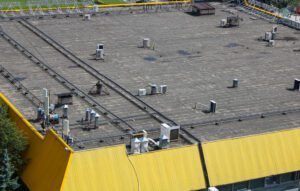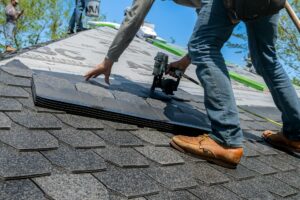


TPO roofing is a common choice for large commercial and multi-family buildings. It’s a single-ply membrane that works well on flat or low-sloped rooftops and handles weather shifts better than many older systems. When installed right, it helps keep the building dry, insulated, and low-maintenance. That kind of result doesn’t happen by accident.
TPO roof installation takes planning. The size of the building, the time of year, and the approach used all play a big role in getting it done right. This is especially true for properties around Naperville, IL, where weather can shift quickly between warm afternoons and freezing nights. Knowing what goes into the process helps avoid delays and cuts down on issues after the job is done. Here’s what to think about before the first roll of membrane goes down.
Planning Around Weather and Building Size
Commercial buildings often cover thousands of square feet, and every part of the job moves slower because of it. Getting all the materials in place, making room for equipment, and working around roof units requires extra steps that smaller buildings don’t face.
Cold temperatures and moisture can get in the way fast. No one wants to put down a new roof during a snow flurry or a deep freeze. Even if things look clear, materials don’t always set the same way in cold weather. That’s why we try to time the bulk of the install when the weather looks steady and dry. Even a few warm days in late winter can make a big difference.
• Larger roofs mean more surface to cover, which takes more time
• Weather windows are limited in winter, so planning helps avoid rushed jobs
• Crew safety needs more attention when working at higher elevations or wider spans
Getting that timing right matters. It keeps the project moving and protects the long-term outcome.
Preparing the Roof Surface Before Installation
Before the first layer of TPO can be rolled out, the roof itself has to be checked and cleaned. That prep stage is one of the most important parts of the whole job. If the surface isn’t ready, the new roof won’t stick correctly or last as long.
The process usually starts by stripping away any old roofing or making sure the current layer can support a new one. From there, the crew looks for:
• Soft spots in the roof deck that could give way or hold water
• Debris, dirt, or ice that might block the new layer from sealing
• Loose seams, gaps, or cracks near drains and vents
These areas need to be clean, dry, and solid before anything goes on top. Seams and flashing around HVAC units and pipes get extra attention, since they’re often the first spots where leaks try to sneak through.
Modern Roof Systems is skilled in prepping flat and low-slope roofs for new TPO installations and provides roof tear-offs, deck inspections, and substrate repairs for commercial buildings around Naperville, IL.
Choosing the Right TPO and Insulation Setup
Not all TPO material is the same. Some are thinner and lighter, made for short-term use or low-traffic rooftops. Others are thicker and sturdier, giving you more protection from weather and long-term wear. Big buildings benefit from a mix of strength and energy savings, especially during windy Midwestern winters.
Insulation plays a big role here. It helps keep indoor temps stable and reduces strain on heating systems. For larger buildings, one layer of insulation usually isn’t enough. We often use a layered approach with staggered seams to block thermal loss and give the TPO a smooth surface to bond to.
• Thicker TPO can handle foot traffic and strong UV rays better
• More insulation layers reduce heat loss through the roof
• The right setup depends on what sits below and how the space is used
Choosing the best combo between membrane and insulation boosts the roof’s overall performance year-round.
For each TPO roof install, Modern Roof Systems offers membrane selection, insulation upgrades, and energy-saving roof assemblies tailored to the building’s needs and code requirements.
Making the Installation Go Smoothly
When the prep work is done and the weather is holding up, installation can move forward. That starts with laying out materials in a way that keeps the workspace safe and clean. On big jobs, space runs out fast, especially near drains, roof units, or parapet walls.
Installing TPO involves welding each seam using hot air to fuse the rolls together. This step can’t be rushed. A poor weld can lead to splits or leaks later on, especially during freeze-thaw cycles in a place like Naperville, IL.
• Crews plan layouts carefully to avoid tripping hazards and tight corners
• Welded seams need even heat and pressure to hold properly
• Guardrails, tie-offs, and ladders keep crews safe at high points
Even seasoned crews take these steps slowly to keep the membrane from buckling or misaligning. It saves time down the line when weather or snowmelt test every corner of that roof.
Keeping It Strong with Ongoing Checks
Even after the roof is done, it’s smart to keep an eye on it, especially during the first few months. That’s when new seams settle, equipment pulls at the membrane, and temperature changes show how well everything is holding up.
Planned check-ins after thaw cycles or major wind events help catch things early. On buildings with lots of vents, walkways, and utility areas, those inspections are key. Pooling water and early cracks can be fixed quickly if spotted right away.
• Visual checks after freeze-thaw events catch seam lifting or bubbles
• Equipment mounts and pipes need close inspections where membrane pulls
• Regular visits reduce the chance of surprise leaks or emergencies
Scheduled upkeep keeps the investment in good shape longer. It’s easier to patch a small issue today than repair a soaked ceiling in a few weeks.
Modern Roof Systems delivers routine inspection, leak detection, and priority repairs for new TPO roofing, giving building owners confidence through each season after installation.
What Big Buildings Gain from Getting It Right
A smart TPO roof installation keeps a building dry, strong, and easier to run. When the surface is clear, the insulation fits, and the seams hold fast, owners spend less time worrying about snowmelt, heat loss, or sudden leaks. That peace of mind starts with a solid plan, the right materials, and timing the job so winter weather doesn’t get in the way.
Big buildings don’t leave room for shortcuts. A well-done install pays off through every season, especially during high winds or late freezes. It’s worth the prep and follow-through to keep the roof doing its job for the long haul.
Thinking about protecting your commercial building in Naperville, IL from harsh weather? A well-executed TPO roof installation can stand up to cold snaps, snow accumulation, and sudden temperature swings. At Modern Roof Systems, we know how to deliver a sturdy flat roof that performs year-round. Reach out to us to discuss your roofing needs and set up a time to plan the perfect solution for your business.