

Storms can show up fast in Naperville and leave a mess behind just as quickly. Commercial buildings often take the brunt of it, especially when strong winds and heavy rain hit the roof. When that happens, it’s easy to feel unsure about what comes next. Getting the building back in shape starts with knowing what steps to take and when.
This guide walks through how to handle commercial storm damage restoration in a way that keeps the structure safe and prevents bigger issues later. We will look at what to check first, how to spot the signs of damage, and why acting quickly really does make a difference.
First Look: Check for Immediate Safety Risks
The first thing to think about after a storm is safety. Before checking the roof for leaks or damage, take a careful walk outside the building and look for anything dangerous. Downed wires, broken branches, and loose roofing pieces can all create serious hazards. If the area seems unsafe, mark it off and leave repairs to a professional.
Take a look at entries and exits next. Blocked doorways or standing water can prevent safe movement in and out. If you find debris blocking the path, clear it if you can, but do not go near spots that feel wobbly or look damaged. The roof itself might not show clear damage from the ground, and sending someone up there without the right skills can be risky.
If rain is still coming or another storm is on the way, try to keep water out by closing up open spots or covering broken windows until specialists arrive. Fast action can help stop a little roof trouble from turning into a bigger mess inside.
Document the Damage Right Away
When it is safe to get close to the building, grab your phone or camera and start taking pictures. Get clear shots of the roof, gutters, and anything else that looks broken or out of place. Pieces of roofing on the ground or puddles near the building are good clues that there was damage up top.
Step inside and check for leaks, water stains, and ceiling tiles that look bent or damp. Watch for water on the floor or bubbling on the walls, too. Jot down notes about each problem you see and make a basic floor map if it helps. These quick records won’t just help with repairs later. They make insurance work smoother and let you see progress when restoration starts.
Try to capture all the details, both inside and out. Write down when the storm hit and when the damage showed up. This approach is a key part of successful commercial storm damage restoration in Naperville. The more information you have, the easier repairs and recovery become.
Make Temporary Fixes to Limit More Damage
After the damage is recorded, some fast fixes can stop things from getting worse. Placing tarps over leaky spots or using boards to cover broken windows helps hold off more water. Just remember, only make these changes if it is completely safe to do so.
Give drains and gutters some attention too. Debris like leaves or twigs can keep rainwater from moving off the roof. Clearing these blockages lets water run off, helping the roof dry out and stopping further problems inside the building.
Any fix you make now is just a short-term step. You are only holding off further damage until help arrives for a complete inspection and repair. Trying to make major changes or get up on the roof without training can be risky and is best left to a specialist.
Schedule a Professional Roof Inspection and Repair Plan
The next step after an initial safety check and some quick fixes is a professional inspection. Most property owners cannot see all the ways a roof gets hurt by storms. Even small storms can loosen seams, crack flashing, or cause standing water that leads to bigger leaks later.
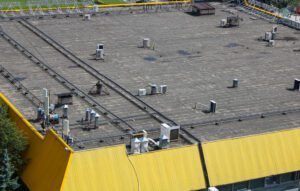
A roofing contractor who works with commercial and multi-family buildings goes beyond just the surface. They inspect seals, look for signs of hidden water, and test the structure around drains and vent areas. Some damage is hard to spot, like cracks under a membrane or flashing that slipped during high winds. An expert can find these problems during a full inspection, whether your building has a flat roof with TPO or PVC, or a metal system.
Once this inspection is done, you get a plan for repairs that makes sense for the damage found. No guessing or patching up random spots. Instead, the plan handles weak areas directly so the next storm has a tougher time getting through.
In Naperville’s stormy seasons, Modern Roof Systems uses special commercial roof coatings, repairs, and roof maintenance programs built for local weather. They help keep buildings waterproof and include full checks of seams, flashing, and drainage to spot small faults before they grow.
Plan for Recovery and Long-Term Protection
With repairs underway or finished, take a little time to talk with a roofing expert about how to keep things strong for the long haul. Naperville gets tough weather—not just rain, but wind and snow, too. Rethinking materials or drainage choices now can keep small issues from repeating every year.
You might choose a more durable membrane or upgrade the flashing for better protection. Or add scheduled roof checks to catch trouble before it becomes a bigger problem. Regular maintenance helps keep the warranty valid and stretches out the life of the roof.
Long-term plans work best when they match your building. For properties with broad, flat roofs or lots of drains, regular fall and spring checks can save a lot of stress during storm season. If you need something that covers all the bases, Modern Roof Systems offers commercial roof maintenance with strong, storm-ready materials and careful inspections aimed at preventing leaks and damage year-round.
Keep Your Building Ready for the Next Storm
Storm damage can be stressful and disrupt business as usual, but with the right approach, you can keep downtime low and avoid bigger headaches later. Taking each step from immediate checks to long-term planning helps fix what’s wrong now and prepares your building for whatever the next storm brings.
When storms hit Naperville, acting quickly and working with a team that knows commercial storm damage restoration makes all the difference. Each smart decision you make after a storm helps your roof last longer, protects occupants, and keeps your property running smoothly through every season. Building a routine around inspections and fast repairs can be the key to staying safe and dry whenever storms roll in.
Storms can leave behind more than just a mess—hidden roof problems can grow if left unchecked. Taking quick, steady steps now helps keep bigger issues from showing up later. We’re ready to help with inspections, repairs, and planning so your building stays solid through every season. See how we approach commercial storm damage restoration and how to get the right support when your roof needs it. Contact Modern Roof Systems to start the conversation.