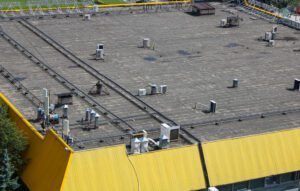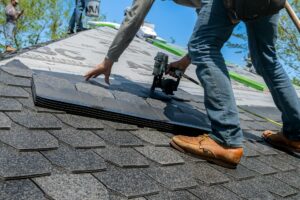


Winter can sneak up fast in Naperville, and when it does, commercial roofs take the hit. Ice, snow, and sudden temperature changes all put pressure on your building from the top down. The small problems that get missed in late fall don’t usually stay small once the cold sets in.
If you own or manage a commercial building, knowing when to schedule commercial roof repair in Naperville can make all the difference. Spotting early signs of trouble helps keep leaks out, workdays moving, and the building safe as we head into winter.
Water Where It Shouldn’t Be
One of the first and easiest warnings is water where it doesn’t belong. Whether you see it inside or up on the roof, it’s calling for attention.
• Water stains on ceiling tiles, along walls, or showing in corners often point to roof trouble above
• Leaks inside the building, even small ones, may mean water is already working its way down through openings in the roof
• Ponding water that lingers in dips or around drains could signal sagging areas or clogged pathways
When snowmelt starts and freezes overnight, those puddles turn to ice, adding weight and weakening the surface each day it isn’t cleared. If drainage is slow or blocked, you end up with standing water just waiting to find a way inside.
Roof Surface Looks Damaged or Worn
As temps drop and wind picks up, roof materials can start to show wear. Even durable surfaces fade with time, and winter sometimes speeds up the process.
Here are a few signs to watch for:
• Bubbling or blistering membrane, which means air or water has gotten underneath
• Cracked flashings or corners, especially where pipes, vents, or rooftop equipment press into the surface
• Loose seams, missing edges, and torn sections, often near drains or where past repairs were done
Once a roof starts to break down in one area, the problem can spread quickly. Cold temperatures often make quick fixes harder too, which means waiting longer for repairs and risking added damage.
Modern Roof Systems repairs and maintains all major commercial roofing types in Naperville, from TPO and modified bitumen to architectural metal and multi-layer built-up roofing.
Drainage Isn’t Working Like It Should
If a roof isn’t shedding water the way it should, winter will put that to the test. Snow melts, rain hits, and if the drainage isn’t keeping up, trouble follows.
Signs that your roof is struggling to flush water out include:
• Backed-up gutters after storms or melting
• Ice forming in places it shouldn’t, especially around drains or scuppers
• Leaves, branches, or other debris building up and stopping water from getting where it needs to go
These aren’t just surface issues. Slowed drainage leads to water pooling, which puts extra weight on the roof and pushes it into weak spots. Once temperatures drop below freezing again, the water expands, stretches materials, and can tear seals open.
Temperature Swings Are Causing Movement
The Midwest is known for wild weather swings. One day might be below freezing, and the next can feel like spring. That kind of shift causes roofing materials to move, sometimes in ways you can’t see until it’s too late.
Some signs to look for after these swings include:
• Seams pulling back or corners curling up
• New popping sounds inside the building, which may be from pressure or shifting layers above
• Cracks forming in ceilings, especially near walls or around roof-mounted units
When cold air returns, any new gaps or loose fittings get pushed again. Over time, this back-and-forth movement can weaken the roof more than a single storm ever could.
Modern Roof Systems offers emergency leak response, inspections, and preventative maintenance that help property managers stay ahead of roof movement issues during Midwest winters.
Repairs Are Getting More Frequent
If you find yourself revisiting the same spot on the roof again and again, there’s a good chance you’re dealing with a deeper issue.
Here are a few patterns that suggest it’s time to look past small patches:
• Needing to seal cracks or leaks in the same section each season
• Temporary fixes failing within weeks or not holding through bad weather
• An increase in trouble spots, especially across different parts of the building
When problems keep coming back, it often means the structure or surface has started to break down. The longer it’s left, the more likely it grows until a full repair is needed just to catch up.
Peace of Mind Starts Before the Snow Falls
Waiting for a sunny day in January to check the roof isn’t always an option. Once snow covers the surface, it gets a lot harder to inspect or fix anything. That’s why catching signs ahead of time during late fall helps so much.
We watch for small troubles that can quickly take over during winter. Frozen drains, popped seams, and hidden water paths all tend to show up more during the cold months. If we deal with those problems before the snow covers them, we buy time and help the roof last longer.
Staying ahead of roof damage isn’t just about saving money or avoiding stress. It’s about keeping buildings dry, safe, and running as they should, even when Naperville weather is doing its worst.
When your building has shown any of these warning signs, now is a smart time to take a closer look before winter sets in for good. Small fixes done early can help prevent bigger issues from forcing you to shut parts of your building down later. We help property owners spot the signs and make the right call at the right time. Our team specializes in commercial roof repair in Naperville so your roof stays ready for whatever winter brings. Reach out to Modern Roof Systems to schedule an inspection.