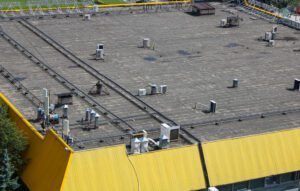


Getting through summer storms is a lot easier when your commercial property is built to handle them. These storms can roll in fast, bringing heavy winds, rain, and sometimes hail. Without the right prep, the roof, siding, and other parts of the building could take on damage that’s expensive and time-consuming to fix later.
The trouble is, many commercial property owners and managers wait until something goes wrong before digging into repairs or updates. But there’s a better way to tackle it. A little bit of preparation can make a big difference in how your building weathers the next big storm. From the roof down to the landscaping, making smart checks before storm season picks up can keep problems small and stop a lot of them from happening in the first place.
Inspect And Secure Roof Structure
Your roof is the first thing a storm hits, so it makes sense to start there. Think of it like the lid on a container. If it doesn’t seal right or if it’s loose in spots, everything underneath stays at risk. Summer storms have a habit of testing weak points and blowing through areas that were already hanging on by a thread.
Some of the biggest warning signs to look out for include:
– Loose or curling shingles on sloped sections
– Blisters, bubbles, or cracks in flat roofing material
– Rusted or missing fasteners along flashing edges
– Open seams where two roofing systems meet
– Standing water after a rainfall
These might look minor now, but under storm pressure, they’re where leaks and water damage start. Once water gets in, it spreads fast, soaking insulation and finding its way into walls or ceilings. That’s when electrical problems or indoor mold can follow, and that’s a tough cycle to stop once it’s started.
Checking out your roof on your own might help you spot obvious issues, but don’t stop there. It’s smarter to bring in professionals who know what to look for and how to fix it before the next thunderstorm hits. They take a closer look at hard-to-reach spots, safely walk flat areas, and let you know what actually needs work. You stay ahead of the weather instead of reacting to it.
Maintain Gutter And Drainage Systems
Your roof might hold up fine during a storm, but if your drainage system can’t keep up, all that water has to go somewhere and it usually heads down the walls or backs up into places it shouldn’t. Gutters, downspouts, and internal drains help move rainwater off your roof and away from your building. But when they’re clogged, crushed, or broken, they stop doing their job.
Here’s a simple checklist to run through every summer:
– Clear gutters of leaves, sticks, or roof gravel buildup
– Check that downspouts are connected and angled away from the building’s base
– Inspect scuppers and interior drains for blockages
– Look for signs of water pooling near the edge of the roof
– Confirm that splash blocks or drain extensions are still in place
All of this matters because standing water near the base of a building leads to bigger issues like weakened foundation walls or flooded lower floors. Businesses in multi-tenant buildings can run into complaints fast once this starts affecting operations or safety.
Cleaning gutters isn’t a one-time job either. Mid-summer storms drop lots of debris, and what worked in June might be clogged again by mid-August. That’s why it’s good to schedule checks more than once during the season, especially after a larger storm rolls through.
Trim Surrounding Trees And Landscaping
Trees can add a nice visual break to a property, but when they’re too close to the building, they turn into risks during a storm. Overhanging branches can snap off in strong winds and crash down on rooftops, HVAC units, or even parked vehicles. Smaller limbs might not look like much, but even lightweight debris can punch through roofing surfaces or clog up drains when it piles up.
Start by walking your property after a dry day and look at any trees that border the roofline. If you see branches brushing up against the building or stretching over any part of the roof, it might be time to cut them back. The same rule applies to trees growing between buildings in multi-tenant complexes where shared roofing systems are common.
Keep these tips in mind when reviewing your landscaping:
– Watch for limbs less than six feet above the roof that could fall during a storm
– Look for leaning or damaged trees, especially after a wet spring
– Remove dead branches and clear away shrubs touching baseboards or walls
– Don’t allow climbing plants or vines to grow up exterior walls or into gutters
Tree trimming should always be handled with safety in mind. It’s easy to underestimate how high up branches are or how large they’ll fall. Professionals not only remove potential dangers safely but also check the long-term health of the tree. That way, the solution isn’t just short-term but something that holds up for the next storm too.
Secure Outdoor Equipment And Structures
It’s easy to forget about items outside the building until wind picks them up or rain starts flooding areas around them. HVAC units, business signage, trash enclosures, picnic tables, and patio furniture can all become hazards. These either get tossed around in the wind or damaged when water pools around their base.
Doing a full equipment check before storm season kicks off can make a big difference. Look for areas where outdoor items seem loose, unanchored, or not protected by a cover.
Here are a few practical moves to help reduce the risk:
– Bolt or strap down AC and HVAC units, generators, or electrical boxes
– Anchor outdoor signs or temporary structures using approved fasteners
– Cover machinery or electronics stored outside with waterproof sheeting
– Move lightweight furniture, garbage bins, and planters indoors ahead of forecasted storms
– Check and update your property’s equipment inventory so nothing gets overlooked
It’s also worth training staff on which items need to be moved or tied down when a storm warning hits. That way, people aren’t scrambling at the last minute trying to figure out what goes where. A quick walk-through every couple of weeks can help spot things that may have shifted or come loose since the last storm.
Protect Windows And Doors
Windows and doors aren’t always thought of as weak spots, but they’re usually the thinnest barrier between a storm and your building’s interior. High winds can push against them hard, and flying debris can cause glass to shatter. Once the seal is broken, water can enter fast and cause problems that spread far beyond the entry point.
One of the easiest ways to avoid damage here is to make sure all windows and door frames are in good shape heading into storm season. Look around for cracked glass, rotted frames, or seals that have dried out from sun exposure.
Key strategies include:
– Installing storm shutters for large, low-level windows
– Adding protective film to glass that helps minimize shattering
– Reinforcing glass doors with impact-resistant upgrades
– Replacing or repairing broken locks, latches, or security bars
Another common issue is wind-driven rain sneaking under doorway thresholds. Sealing the base with proper weatherstripping and checking for loose flashing can help a lot. Don’t forget rear and service doors either, especially if they’re older or not frequently used. Small entry points can lead to big headaches quickly.
Staying Prepared For Emergencies
Even with solid prep in place, some storms may still outmatch expectations. That’s why it’s helpful to have an emergency plan that’s simple, clear, and already shared with everyone who works in or around the building. Whether you’re managing an office park, warehouse, or multi-family housing, a plan helps people stay safe and get back on track faster.
Start by making sure employees and tenants know what to do when bad weather is on its way.
A solid plan might include:
– Contact numbers for building maintenance and emergency crews
– Where to go for shelter inside the building
– A supply kit with flashlights, batteries, first aid, and bottled water
– Backup power solutions for vital systems or goods
– Clear signage leading people to exits and emergency routes
Storm prep isn’t only about the physical structure. It’s also about how the people in the building respond. Practicing drills or going over the plan before storm season means less confusion and quicker action when it matters most.
Plan Ahead and Be Storm-Ready All Summer
A commercial building takes a lot of hits during summer weather. Rain, wind, and flying debris can quickly turn small issues into widespread problems if the property isn’t ready. But when you break it into smaller checks—roof, drainage, landscaping, equipment, windows, and emergency plans—it feels more manageable.
These aren’t once-a-year chores. Summer storms come out of nowhere, and each one can open up new risks. Being storm-ready means inspecting often and acting fast when something looks off. Stick with a regular schedule, follow through on what turns up, and you’ll be taking important steps to keep your property safe and your operations running smoothly.
To make sure your property withstands summer storms safely, take a moment to explore how our team handles commercial storm damage restoration. Modern Roof Systems is dedicated to helping commercial and multi-family buildings stay protected through reliable service and expert care. Reach out today to talk through the best way to prepare your property for whatever weather comes your way.