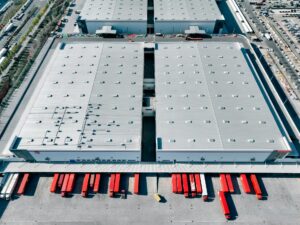


A commercial roof might look solid from the ground, but small problems can form quietly over time. From loose flashing to hidden leaks or standing water, a roof that isn’t cared for will eventually pay the price. That’s why professional roof upkeep isn’t something to put off. It’s part of protecting your investment. Whether the building is a large warehouse or multi-unit complex, consistent professional attention can push back expensive replacements and avoid major disruptions.
Think of roofing like a car. Regular maintenance like oil changes, brake checks, and tire rotations help keep things safe and efficient. Miss a few of those appointments, and you’ll be dealing with breakdowns when you least expect them. Same goes for your building’s roof. The goal isn’t just to fix what’s broken but to keep things working without surprise issues developing overhead.
Regular Roof Inspections Catch Problems Early
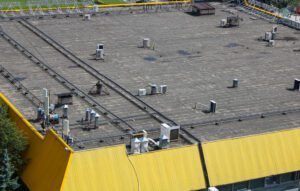
Spotting roof damage before it spreads can save a lot of trouble. Commercial roofs are often large and flat with plenty of mechanical equipment sitting up there. That makes it easy for small trouble spots to get out of sight. Regular checkups help catch cracks, ponding water, blocked drains, or loose materials that can lead to leaks.
Roof inspections aren’t just about grabbing a ladder and having a look around. Professionals know where water likes to collect, how flashing should sit around curbs or pipes, and what early signs of wear look like. They check the membrane, seams, and drainage points closely, especially after a season of heavy storms or temperature swings. What may seem like a small bubble or dark patch can actually be a warning sign.
Commercial buildings in places like Naperville see all four seasons hard at work on the roof. Summers bring UV stress and heat cycles. Winters test materials with cold, snow, and freeze-thaw conditions. Inspections become a way to stay alert to what nature leaves behind. Skipping them can mean finding water damage months after the fact, when it’s already affected insulation or ceiling tiles inside the property.
Here’s what professional roof inspectors often look for:
– Standing water or clogged drainage that prevents runoff
– Surface cuts, blisters, cracks, or open seams in the membrane
– Damaged coping, flashing, or edge details
– Loose sections around HVAC equipment, skylights, or vents
– Evidence of foot traffic wear or improper patch work
With a good inspection schedule in place, building managers can fix small issues while they’re still easy to handle. That keeps tenants happy, projects on time, and surprise costs lower.
Routine Maintenance Matters More Than You Think
Once the roof has been inspected and issues have been spotted, maintenance steps in to keep things moving in the right direction. Routine upkeep isn’t just about cleaning. It’s about setting a pattern that helps the entire roofing system last longer. Much of this work needs to happen around season changes, which is especially important in Naperville where summer storms and winter snow both take turns doing damage.
Maintenance usually includes:
– Clearing leaves and debris out of gutters and drains
– Making sure downspouts and scuppers are flowing properly
– Sealing small cracks or splits before they spread
– Re-securing loose materials near flashing or vents
– Checking rooftop units for leaks or runoff that gets trapped
A commercial roof that’s ignored can easily end up holding water like a sponge. That moisture works its way through seams and cracks when nobody’s watching. In Naperville, transitions from one season to another are a big stress test for any commercial roof. Rain, heat, hail, wind, and snow all come into play. When maintenance isn’t done around these shifts, wear builds up.
One good example is late fall. If leaves clog a flat roof’s drainage system right before winter, melting snow has nowhere to go. That sets the stage for ice jams and cracks during cold snaps. By the time spring comes, the damage is already under the surface. But with routine care in the fall, those risks get removed and the roof stays dry and functional through harsh months.
A regular maintenance plan keeps your roof ready for whatever the season throws at it. It also helps stretch out your roofing budget, cutting down on emergency repair costs and helping your roof hit its full life expectancy.
Expert Repairs Prevent Bigger Problems
A roof can hold up well for years, but even the best systems need repairs at some point. When damage shows up, acting fast makes a big difference. A small tear in the membrane or a gap around a vent might not look serious, but those spots give rainwater and snowmelt a way in. Over time, moisture starts to break things down under the surface. That’s when you see sagging ceilings, soaked insulation, or even mold.
Repairs done by trained professionals tackle these problems the right way. They look beyond surface-level fixes and check the surrounding areas to make sure nothing has spread. You’ll want someone who knows how to tie into existing systems, match materials, and seal things properly to avoid weak spots. Rushed or patchy work only ends up costing more once the same area starts leaking again.
Here are some common repair needs that commercial roofs usually run into:
– Sealing cracked flashing around curbs, vents, and pipes
– Fixing membrane punctures caused by falling branches or sharp objects
– Reinforcing seams that are starting to lift or split open
– Replacing damaged coping or metal edges where wind tends to hit hardest
– Correcting slope or drainage issues that allow water to pool
One example we see a lot in Naperville happens after a rough storm. A roof inspector might find that blowing debris sliced the membrane or loosened a vent. If it’s left alone, the next wave of rain will sneak through and spread damage further. Fast, proper repair work keeps things from going sideways and adds years to the roof’s lifespan.
Good Installation Sets the Foundation
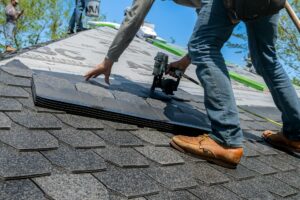
Another part of protecting your commercial investment is making sure the roof system is installed right from the start. Seems obvious, but poor installation is a big reason roofs fail early. Once sections start to pull away or weaken, water finds its way in. That creates a mess that could’ve been avoided with experienced planning and solid execution.
Every building has unique challenges—height, size, nearby trees, equipment loads, and how it handles runoff. Flat roofs have different needs than ones with a slight pitch. So do roofs that see foot traffic from service teams. When pros install a roof, they make sure it’s tailored to the building’s layout and the local climate.
Proper installation includes:
– Picking the right materials for the building use and shape
– Making sure all seams, edges, and joints are tightly sealed
– Fitting flashing and drains in the right spots to handle runoff
– Securing insulation and underlayment to prevent shifting
– Building with future maintenance and rooftop traffic in mind
Long-term performance starts at day one. If installation shortcuts happen, small defects grow fast, especially in a place like Naperville that sees heat waves, cold snaps, snow, and high winds all within the same year. Faulty seams or gaps under flashing can split open under pressure from freeze-thaw cycles. A roof done right has fewer surprises and lets you focus on what’s happening in the building, not what’s happening above it.
Why Consistent Roof Care Pays Off
Roof systems aren’t all that different from other parts of a building when it comes to wear and tear. They need attention, adjustment, and small fixes from time to time. But the upside is simple—taking action early, following a regular plan, and working with professionals who spot things before you do helps avoid major damage down the road.
Commercial buildings come with built-in pressure. Tenants expect working spaces with no delays. Owners watch budgets closely. That makes the roof one of those things that can’t be left up to chance. Whether it’s a business complex in downtown Naperville or a warehouse off a quiet road, a roof that gets professional care stays stronger, cleaner, and leak-free longer.
A solid plan that includes inspections, seasonal maintenance, quick repairs, and quality installation creates peace of mind. It keeps costs low over time and removes the surprise factor. With the right care, even a flat commercial roof in a climate like Naperville can stay in top shape for years to come.
For a reliable solution to keeping your commercial roof in top condition, trust Modern Roof Systems. Discover how we handle roof maintenance in Naperville with expert care and attention to detail. With regular inspections and professional handling of repairs, we help extend the lifespan of your roof while tackling any issues head-on. Reach out to us and ensure the longevity and durability of your commercial property’s roof.