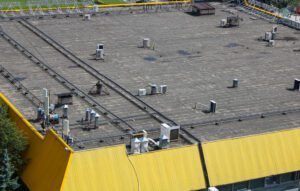


Storms can take a real toll on your home’s exterior. Wind, rain, and hail don’t just disappear once the skies clear. They often leave behind damage that may not look serious at first glance but can grow into expensive problems if left alone. Sometimes it’s obvious when a storm has done a number on your place. You’re picking up branches off the lawn, and there’s a shutter halfway hanging off the siding. Other times, the problems hide behind the surface or in hard-to-see spots.
Whether it’s a bad thunderstorm in the summer or unexpected hail, acting quickly helps you avoid headaches later. What might seem like minor cosmetic damage at first can make way for water to seep in later. That’s why taking a good look around your property, inside and out, and spotting signs early matters more than most folks think.
Inspecting Your Home Post-Storm
One of the first things you should do after a strong storm passes is walk the perimeter of your property. Keep an eye out for anything that looks different or out of place. Even if nothing obvious jumps out right away, it’s still a good habit to do a full check. Damage doesn’t always happen in one big blow. Sometimes, it builds up storm after storm.
Start with these areas:
– Roof: Look for missing or curled materials, debris buildup, or anything that looks dented or inconsistent. If parts of your roof look darker than others or sections are sagging, those are signs of potential trouble.
– Siding: Check for cracks, warping, or siding that has pulled loose. Even a small gap can let water in during the next rain.
– Gutters and Downspouts: Make sure they’re still attached securely and pointing away from the foundation. If you see dents, clogs, or signs of pulling away from the fascia, they may not be doing their job anymore.
– Windows and Doors: Inspect the frames and glass for breaks, cracks, or water stains. If things look swollen or misaligned, water may have already found a way in.
– Foundation and Basement: Check for pooling water or musty smells, which can mean more water is getting in than should be. Storm runoff has to go somewhere, and if your drainage isn’t working right, it can end up inside.
It’s easy to miss small signs when you’re in a rush. Trust your gut. If something feels off or looks different than before the storm, it might signal hidden damage. The sooner you spot the issues, the quicker you can stop them from spreading.
Common Types Of Storm Damage
Every storm hits differently. Some bring heavy rain and flash flooding. Others come with high winds and flying debris. Each one can damage parts of your property in different ways.
Here are a few common types of storm damage:
1. Wind Damage
Strong winds can lift or rip away shingles/membrane, loosen siding, and toss debris into the side of your property. If you’re seeing tree branches in the yard or leaning fences, your house may have taken a hit too.
2. Hail Damage
Hail doesn’t have to be large to cause problems. Even small hailstones can dent roof surfaces, crack siding, or chip paint. These dents may not always be obvious, but they can open pathways for moisture to sneak in.
3. Water Damage
Heavy rain can flood gutters or collect in low spots near the property. If water sits too long, it can soak into walls, insulation, or the roof deck. Water stains on ceilings or bubbling paint are signs to watch for.
4. Debris Damage
Storms can knock over patio furniture or snap tree limbs, sending them flying. This can cause impact damage to siding, windows, and doors. If you see scrapes, marks, or smashed areas on the exterior, debris was likely the culprit.
Damage isn’t always as clear as broken glass or missing roof pieces. Sometimes, the signs hide beneath the surface or take a week or two to show up. One common example is soft spots in ceilings that don’t appear until the insulation gets fully soaked. Regular checks help catch these problems before they turn costly.
Temporary Fixes Before Professional Help Arrives
After a storm, it’s natural to want to jump in and fix anything that looks wrong. While it’s best to leave the big stuff to the pros, there are quick steps you can take to reduce further damage before help arrives. These aren’t long-term repairs, but they can make a big difference if done with care.
Start with covering exposed areas:
– Use a tarp or heavy-duty plastic to cover damaged areas or holes in the roof. Secure the edges with wood strips and nails if you’re able to do that safely.
– For broken windows or glass doors, tape over any cracks and cover the opening with plywood or thick plastic sheeting.
– Remove branches and debris resting against the house, but stay away from any trees or materials near downed power lines.
Next, try to stop more water from getting inside:
– If your siding is cracked or missing in spots, tape a plastic sheet over the area to help block incoming rain for now.
– Place towels or containers under ceiling leaks to catch water until professionals can take over.
– If there’s indoor flooding, unplug electronics nearby but avoid walking into standing water unless you’re sure there’s no electrical hazard.
Safety comes first. If a roof is too steep or slippery, don’t climb it. If you smell gas, hear electrical buzzing, or see sparks, stay away and get help from trained crews. Even a small job can be dangerous if mishandled. When in doubt, wait for someone with experience.
Preventative Measures For Future Storms
You can’t stop the weather, but you can get ready for what it might bring. Taking steps now can help your property hold up better when the next storm rolls in, especially when it comes to gutters, siding, the roof, and trees nearby.
Here’s how to stay better prepared:
– Trim or remove tree limbs hanging close to the building.
– Get your gutters cleaned and checked so that water drains properly.
– Replace old or cracked siding and roof materials with more durable options that are better made to handle wind or water.
– Secure loose flashing, vent covers, and gutter brackets.
– Use weather-resistant sealant around doors, windows, and any cracks or gaps you can see from the outside.
Setting up regular inspections throughout the year helps spot small problems before they turn into big ones. Lifted shingles or cracks in caulking may not look like much, but they can be the start of leaks and damage. If strong winds or hail are common in your area, talk with a local pro about building materials that can handle tougher conditions.
Keeping Your Home Safe and Secure
Letting damage sit is one of the easiest ways to invite trouble. Minor damage or cracked panels may look small, but they can let in wind and water that cause bigger problems down the line. When you act fast and address problems early, even with a small patch, you give a pro the time they need to take care of it the right way.
Your property always benefits from a bit of care after storms pass. Getting into the habit of inspecting your place, trimming trees when needed, securing loose materials, and swapping out worn parts helps strengthen it against storms to come. It’s not about beating the weather. It’s about being ready for it.
Every improvement gives your property a better shield. That adds up to less damage, lower stress, and more peace of mind. Whether you’re sealing up around the windows or checking your roof after it rains, those small steps help protect everything inside.
Don’t wait for minor storm damage to turn into costly repairs. Let Modern Roof Systems give your home the attention it deserves. Discover how our team can assist with siding repair and replacements to keep your property in top shape. Whether it’s a simple fix or a more extensive overhaul, we’re here to help you safeguard your investment and ensure your home’s exterior is ready for whatever the weather brings.