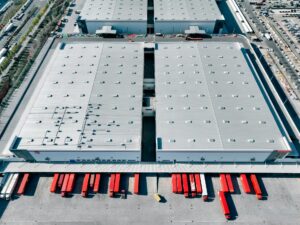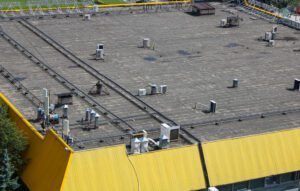


Flat roofs are common on commercial buildings and multi-family housing, especially around places like Naperville, Illinois. These roofs look simple from the outside, but they need roofing materials that can handle the weather and stay watertight all year long. That’s why many property managers turn to EPDM commercial roofing. It has a long track record for surviving cold, wet, and windy conditions without breaking down too fast.
In this article, we’ll walk through the basics of EPDM, what makes it work, why it fits flat roofs so well, and how it holds up through harsh winters. If you manage a building with a low-slope roof, knowing how EPDM works can help you spot potential issues before they grow into bigger problems.
What Is EPDM and How Does It Work?
EPDM stands for ethylene propylene diene monomer. While the name is a mouthful, it’s basically just a thick, rubbery sheet that lays flat across the surface of a roof. You typically find it in black rolls, made to cover wide areas with very few seams.
EPDM is applied in sheets, often glued or taped down. Some buildings may use a fully adhered system, while others go with ballasted or mechanically attached styles. No matter the method, the goal is the same, to create a clean, tight seal that keeps water out.
- EPDM’s smooth surface helps snow and rain run off more easily than textured materials
- It’s highly resistant to UV rays which helps with aging and drying out over time
- It won’t crack as easily when stretched or pulled, which makes it a good choice for roofs prone to expanding and shrinking
Once installed, EPDM needs only occasional checks to stay in good shape. That’s one of the reasons it’s so popular in busy property settings.
Why EPDM Is a Good Match for Flat Roofs
Low-slope roofs aren’t always the easiest to manage. Water tends to stick around longer than it would on a steeper roof, and temperature swings can be harder on the materials. EPDM holds up well through all of that.
- The rubber material can expand and contract with the building as temperatures rise in the day and fall at night
- It flexes with movement instead of cracking, which helps keep joints and corners safe
- Its dark surface soaks up sunlight in colder months, which can help melt snow and reduce freeze buildup around drains
- Since it stays flat and tight, EPDM helps avoid pockets where water can collect and cause trouble
Buildings in areas with strong winters or long stretches of wet weather benefit the most. While no roof is invincible, choosing the right material can cut down on problems and keep tenants comfortable.
How EPDM Holds Up in Midwest Winters
Naperville, IL sees plenty of snow, ice, and freeze-thaw cycles from December through March. Those shifts can be hard on building materials, but EPDM is built to take it.
- Even in freezing temperatures, EPDM stays bendable. It doesn’t go stiff like some other roofing types
- This flexibility keeps it from cracking when snow builds up or when cold wind cuts across the roof
- Its surface helps move water away once the snow starts to melt, which is helpful when daytime thawing turns into nighttime refreezing
- It handles the weight of snow and slush better than thinner roof coatings, making it a smart pick for long winters
A flat roof in cold weather always carries some risk, but having a membrane that can move, stretch, and hold its shape makes a big difference. EPDM doesn’t need to be replaced every year to keep doing its job, and that reliability is why it keeps showing up on flat roofs across the Midwest.
When to Consider a Professional Inspection or Update
Even the best roofing materials can wear down after years of use, especially through stretch after stretch of winter. EPDM is strong, but it still needs regular checks to catch small problems before they get worse.
- If your building has had several cold seasons without a roof inspection, this is a good time to schedule one
- Common trouble spots are the seams, corners, or spots where another system, like an HVAC unit, cuts into the roofing
- Small tears or worn flashing can let in water that leads to mold, ceiling stains, or soggy insulation under the roof
- Wet areas may not leak right away. They may stay hidden until warmer weather allows things to thaw out
When these signs show up, quick patch work or new adhesive can go a long way. Catching these weak points early keeps repair work smaller and less stressful.
A Smart Roofing Choice That Lasts
Commercial property owners in Naperville count on local repair specialists for full EPDM roof replacement, winter inspections, and dependable storm repairs. We provide expert restoration and preventative service for flat membrane roofing, matching the needs of multi-family and business buildings throughout the Chicago suburbs.
Flat roof maintenance is simpler with professional service. Proactive checks, cleaning, and leak repairs reduce risk from standing water, snow, and temperature swings. By focusing on the right materials and routine care, building owners can avoid major headaches through both harsh winters and warm seasons.
Managing a flat commercial roof in Naperville, IL, can be challenging, especially with winter weather and standing water. We’ve helped many local businesses see the benefits of proactive care throughout the colder months. When installed and maintained properly, EPDM commercial roofing stands up to years of harsh Midwest conditions. At Modern Roof Systems, our team knows what to look for when the seasons put extra strain on your roof. Contact us today to schedule a roof check and prevent small problems from becoming costly repairs.