

Winters in Illinois can be hard on buildings. Snow piles up fast, ice sneaks into cracks, and freezing temps stick around for months. For commercial buildings in places like Naperville, the roof has to handle all that without giving in. When you manage or own a multi-unit building, you already know small roof problems don’t stay small for long in the cold.
That’s why picking the right kind of roof really matters here. You want something that holds up when the weather shifts from rainy to frozen in a single day. TPO commercial roofing gets used a lot across the country, but you might be wondering how well it holds up when Illinois winter hits full force. Let’s look at how it performs when snow, ice, and freezing winds roll in.
What Is TPO Roofing and Why Do Many Businesses Use It?
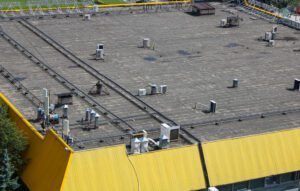
TPO stands for thermoplastic polyolefin. It’s a single-ply roofing material that comes in wide rolls and gets heat-welded at the seams. The full layer is installed over insulation, then bonded at the edges and around openings.
A lot of businesses go with TPO because it’s:
• Lightweight, which means less stress on the building
• Flexible, which helps it move with the roof without tearing
• Smooth, making it harder for dirt and debris to stick
• Easier to clean and take care of over time
In warmer states, TPO got popular for its bright surface and low maintenance. But around Naperville, the question isn’t if it’s clean or light. The real concern is whether it can handle freezing winds, snow load, and sudden weather changes.
Modern Roof Systems provides professional TPO roof installation, repair, and maintenance for all types of commercial buildings in Naperville and the surrounding areas. Their team is experienced with flat and low-slope roofs, and they work with leading TPO brands to ensure long-term durability.
What Happens to Roofs During Harsh Illinois Winters
When winter shows up in the Midwest, roofs face a lot of pressure. The snow doesn’t just sit up there quietly. It melts, refreezes, and moves in cycles that test every surface.
Snow and ice can cause:
• Blocked drains, which leads to water sitting too long
• Extra weight that pushes on seams and edges
• Ice dams where heat from inside melts snow, but refreezes at the cold edge
When the cold moves in, most materials shrink. Some stay tight without damage. Others crack or shift out of place. Sudden cold fronts can change things overnight. That’s why insulation and good sealing become just as important as the surface layer. If warm air leaks out and cold air seeps in, the roof system starts to break down.
How TPO Roofing Handles Cold, Snow, and Ice
TPO commercial roofing does a decent job holding up through winter, as long as it’s installed right and kept in good shape. The material tends to stay flexible, even when the temperature drops. That helps prevent it from cracking the way older materials sometimes do.
The way TPO roofs are sealed also helps. Instead of gluing or taping the seams, they’re heat-welded. That creates one solid bond across the roof. Fewer weak spots means a lower chance of leaks when snow melts or ice shifts.
Still, everything comes back to the prep and layout. If the TPO was stretched too tight during install, it might pull at the edges as it shrinks in winter cold. If drains aren’t in the right spots, ponding water may sit there too long. But when done well, TPO can stand up to winter, snow, and everything that comes with it.
Modern Roof Systems is certified to install and maintain membrane roofing systems, including major TPO brands. They offer warranty-backed solutions and can assist property managers in ensuring code compliance and maximum energy savings, which is especially helpful during harsh winters.
Maintenance Tips for TPO Roofs Before and After Winter
Even a strong roof needs attention before the cold sets in. TPO isn’t different in that way. We always suggest doing a seasonal check just before the temperature drops, usually sometime in late fall. Then follow up again when the ice is gone in spring.
Good times to inspect your TPO roof:
1. Late fall, before freezing temps
2. Early spring, after the snow clears
During those checks, walk the rooftop and look for:
• Small holes or cracks in seams
• Ponding or standing water after a storm
• Clogged drains, scuppers, or gutters
• Soft spots or bubbling under the surface
Small problems in November often turn into big repairs by January. Cold weather can lock moisture into cracks where it freezes and expands, making everything worse. Quick fixes early on help the roof survive the rest of the season without surprises.
When to Reconsider or Reinforce a TPO Roof
TPO does well in winter when everything is working the way it should. But there are times when it may fall short or need some extra care. If your building already has an old membrane, signs of lifting seams, or damage from last year’s storms, it might not make it through another tough season without help.
Here are some signs that a TPO roof may need extra work:
• The roof is over 15 years old
• Sections feel brittle or stiff in cold air
• You’ve had repeat leaks during winter months
• Snow melt pools and doesn’t drain properly
In some cases, upgrades like added insulation or new flashing around roof features can help. Not every issue means you need to replace the whole roof. Sometimes a little prep work is enough to keep things moving safely into next spring.
Cold Weather Confidence Starts with the Right Roof
Illinois winters are no joke for commercial buildings. A flat roof has to handle layers of snow, long stretches of ice, and warming trends that disappear just as fast as they arrive. For many building owners, TPO commercial roofing gives them a durable, flexible layer that holds its own when the cold moves in.
Still, the roof alone isn’t enough. It takes smart preparation, regular checks, and small fixes at the right time. When that happens, the roof lasts longer, handles weather better, and gives everyone more peace of mind. A strong setup heading into winter means fewer calls, fewer repairs, and fewer problems once the snow starts falling.
When managing a commercial property in Naperville and thinking ahead to winter, it’s a good idea to know how well your roof type works in the cold. We’ve seen how snow, ice, and freezing wind can test even a solid roof system, especially if it hasn’t had the right prep. With proper upkeep and installation, TPO commercial roofing can hold its own through the worst of Illinois’ winter weather. At Modern Roof Systems, we’re here to help you stay on top of it before problems grow. Reach out to us today to get started.